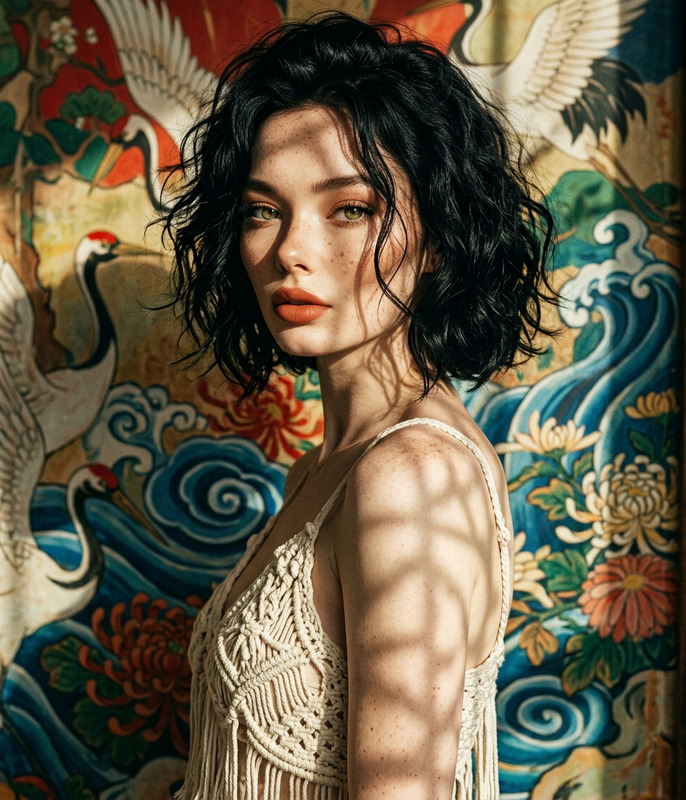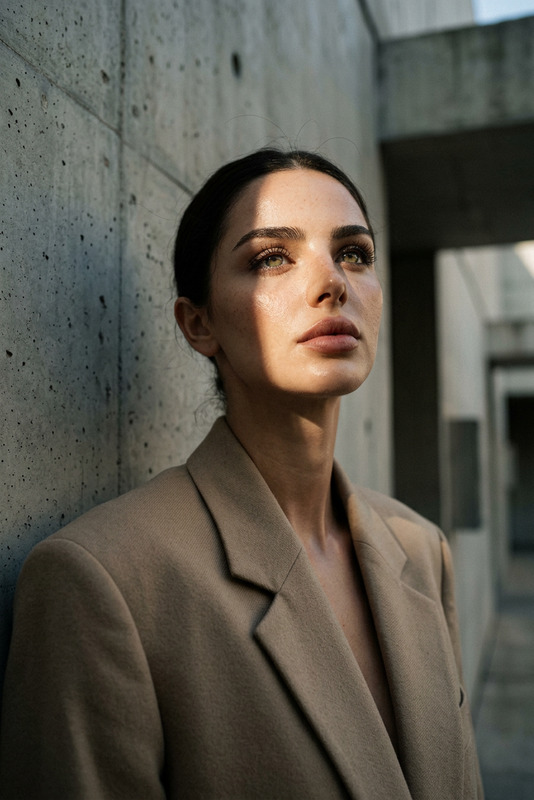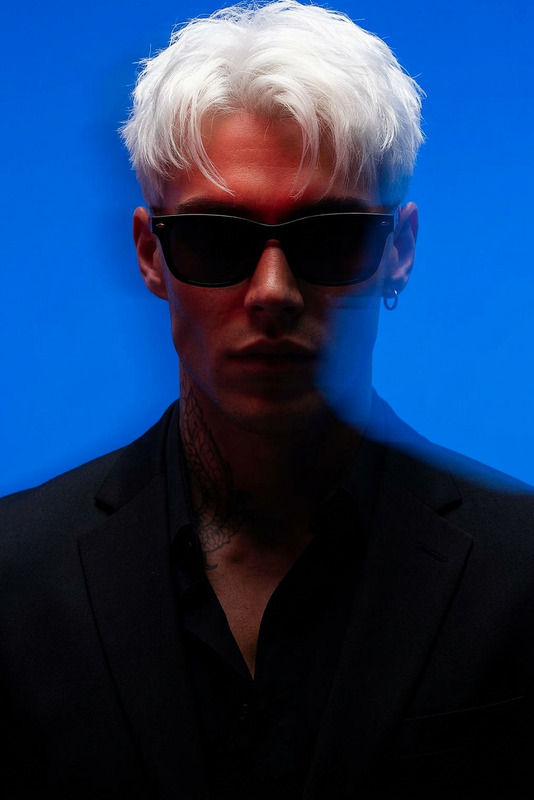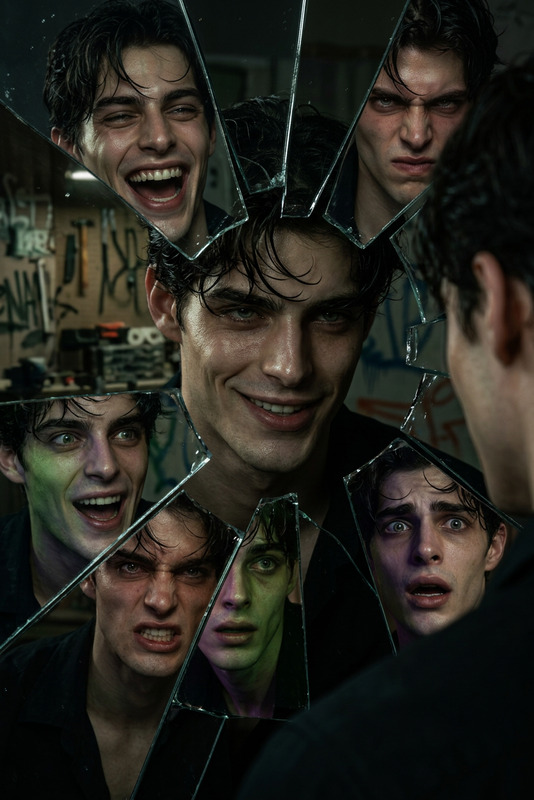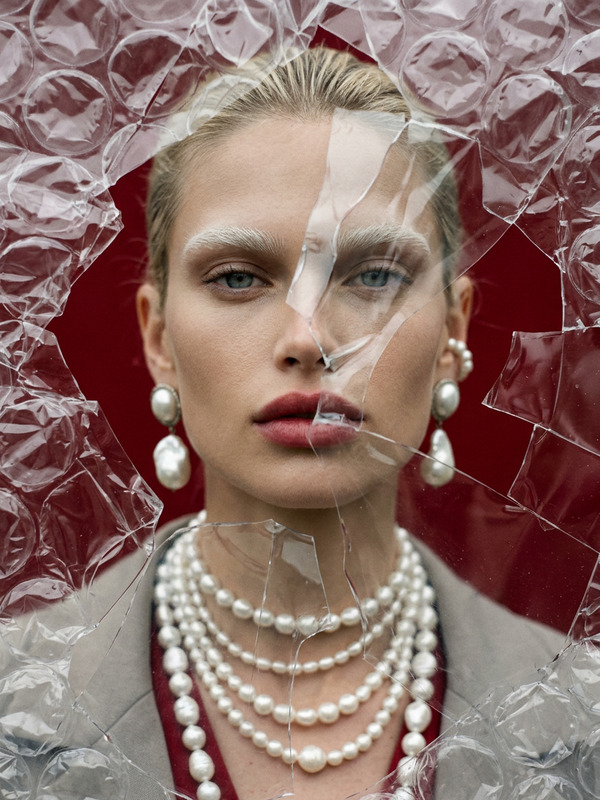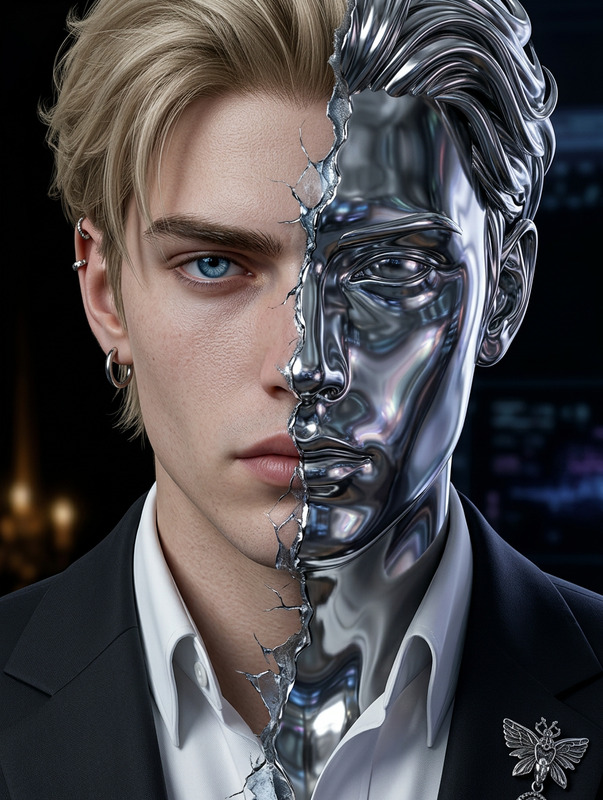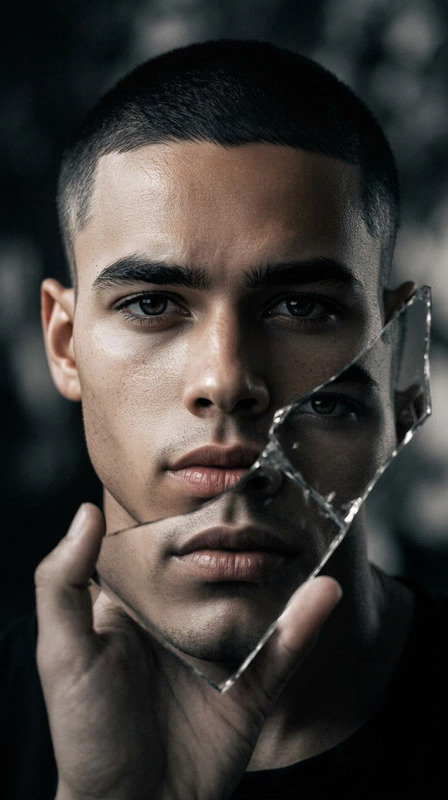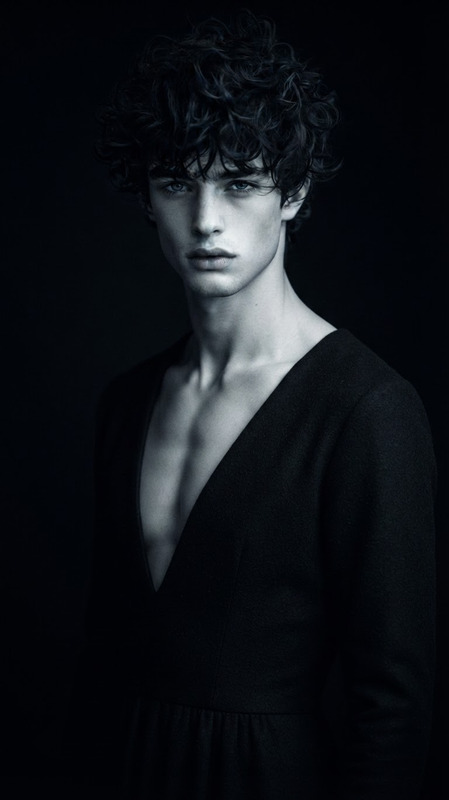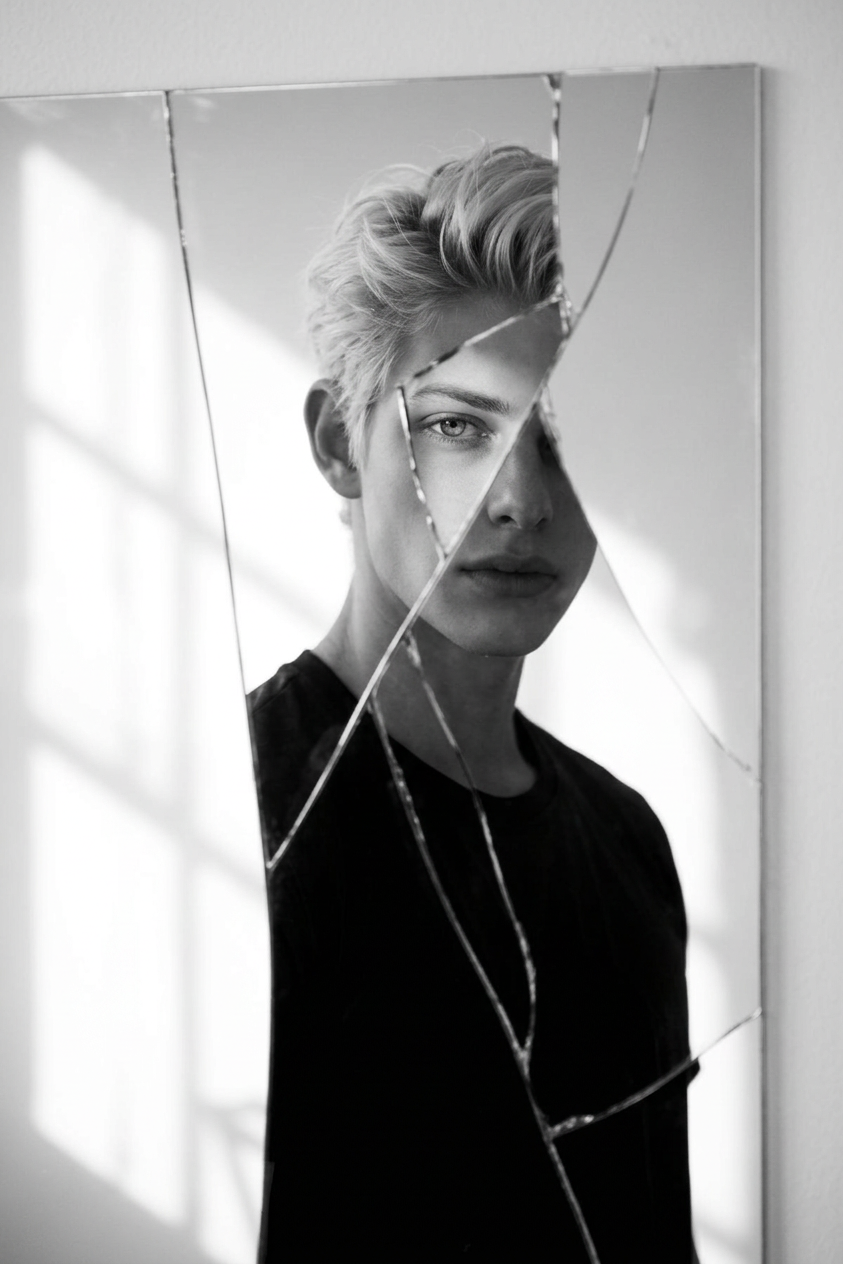
Cracked Mirror Monochrome Portrait
- Model
- Nano Banana 2
- Image
- 843 × 1264 px
Prompt
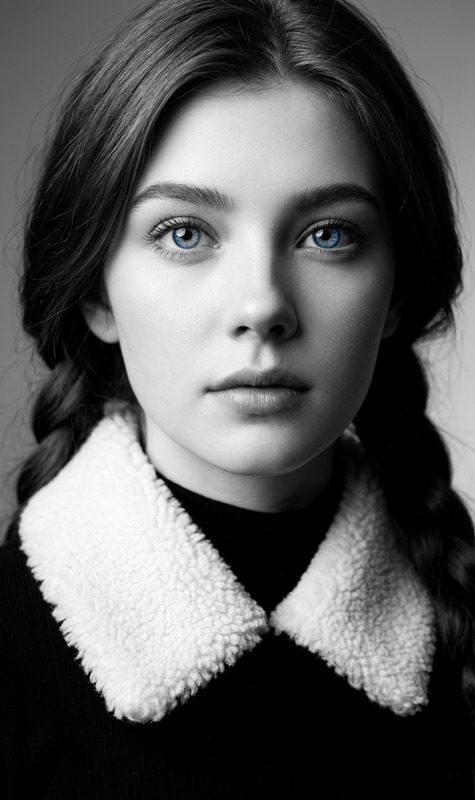
Generate a high-concept monochrome portrait of a subject standing behind a vertically cracked mirror, where only one eye is clearly visible through the fracture, creating a fragmented and mysterious composition; soft diffused lighting casts faint, delicate shadows onto a clean white wall, enhancing contrast and depth while maintaining an elegant, minimal aesthetic; the cracked mirror introduces distortion and visual tension, partially obscuring facial features and emphasizing abstraction over clarity; the overall mood is quiet, enigmatic, and refined, with strong editorial styling, subtle tonal gradients, and a focus on atmosphere, symmetry disruption, and emotional ambiguity in a high-fashion fine art photography style.
Any aspect ratio
Overview
The Cracked Mirror Monochrome Portrait template utilizes advanced AI to evoke artistic elegance through a visually fragmented design. Using the nano-banana-2 model, this AI Image Editor enables you to create high-concept portraits that blend mystery and sophistication, perfect for editorial and fine art photography.
What It Does
This template generates a monochrome portrait where the subject appears behind a vertically cracked mirror. The effect intentionally distorts and partially obscures the subject's features, emphasizing abstraction and emotional ambiguity with an editorial touch. The soft lighting and distinct shadows add depth and contrast, resulting in a refined, high-fashion style image. For more creative photo transformations, explore the AI Image Editor.
Who It's For
This template is ideal for photographers, artists, and designers who want to introduce a touch of high-fashion artistry to their work. Whether you're working on a photography project, an art exhibit, or a design portfolio, this tool helps you achieve a visually enticing effect. Consider integrating it into your workflows alongside the AI Photo Relighting tool for added tonal depth.
Summary
By leveraging the nano-banana model, this image editor brings an abstract, editorial quality to your portraits. Aimed at creators in editorial and fine art domains, it offers a pathway to craft images with a unique visual tension and a quiet, refined mood.
How to Use
Choose the Template

Customize Your Image

Generate the Portrait

Use Cases
Art Exhibitions
- Abstract photography
- High-fashion creative work
Editorial Photography
- Fashion magazines
- Lifestyle spreads
Design Portfolios
- Art director portfolios
- Visual artist presentations
Best Practices
Select High-Resolution Images
Ensure the subject image is clear and high-resolution for the best detail and visual impact.Emphasize Lighting
Pay attention to lighting angles that enhance the contrast of the cracked mirror effect.Experiment with Symmetry
Use symmetry disruption to add complexity and interest to the composition.