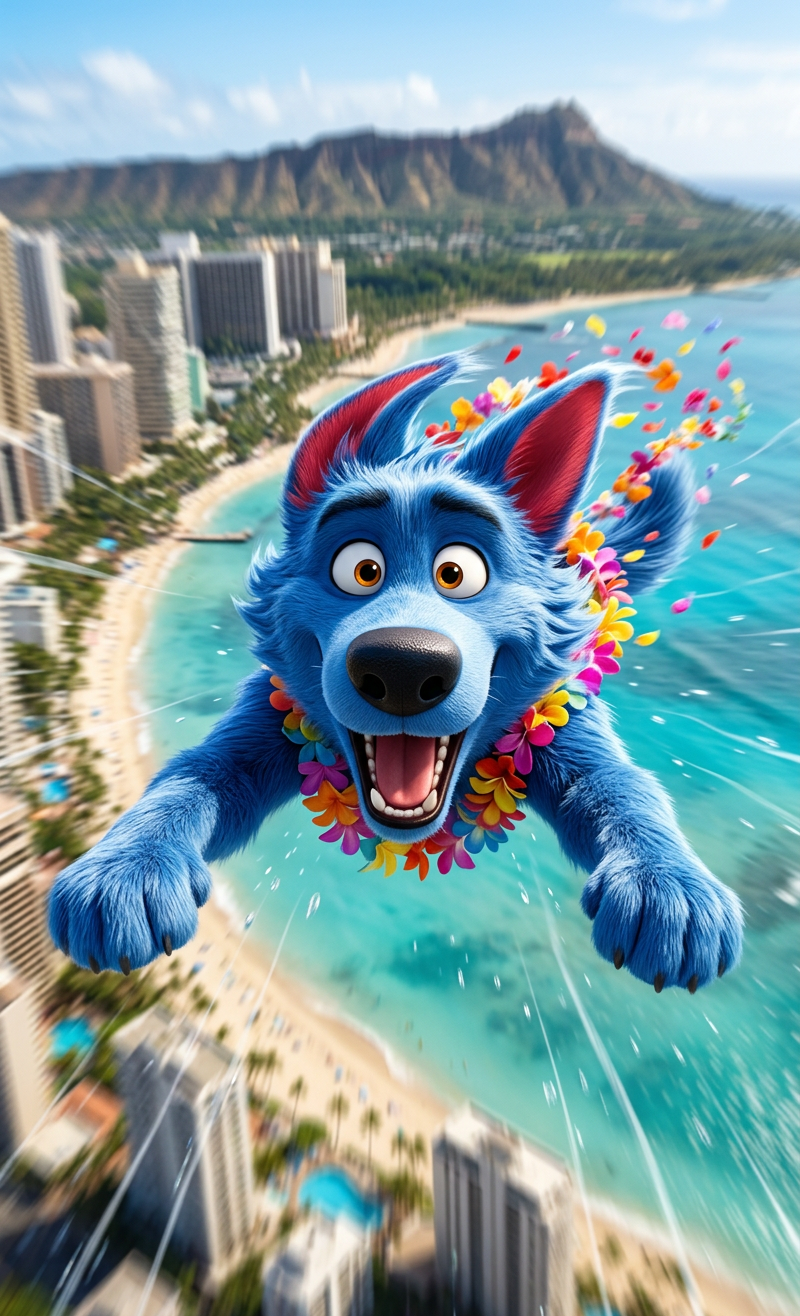
Flying Over Waikiki

Flying Over Waikiki

ai-image-editor

1 clip
0 uses

Any aspect ratio

Prompt

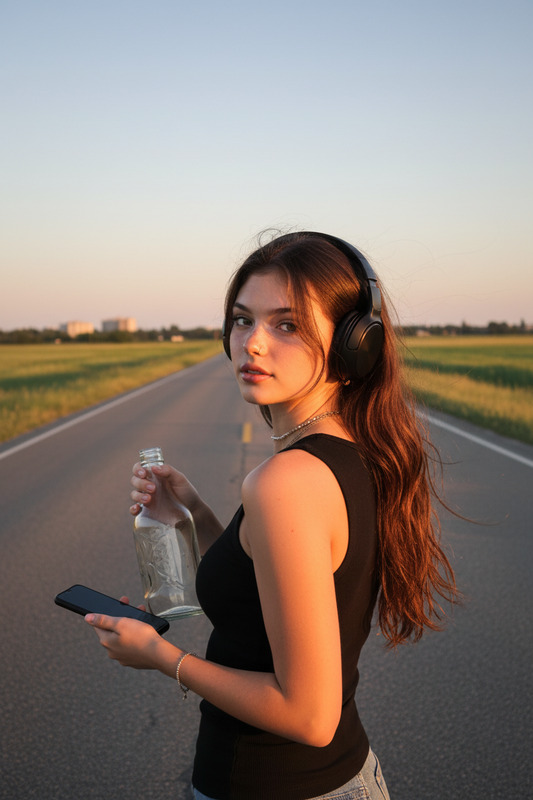
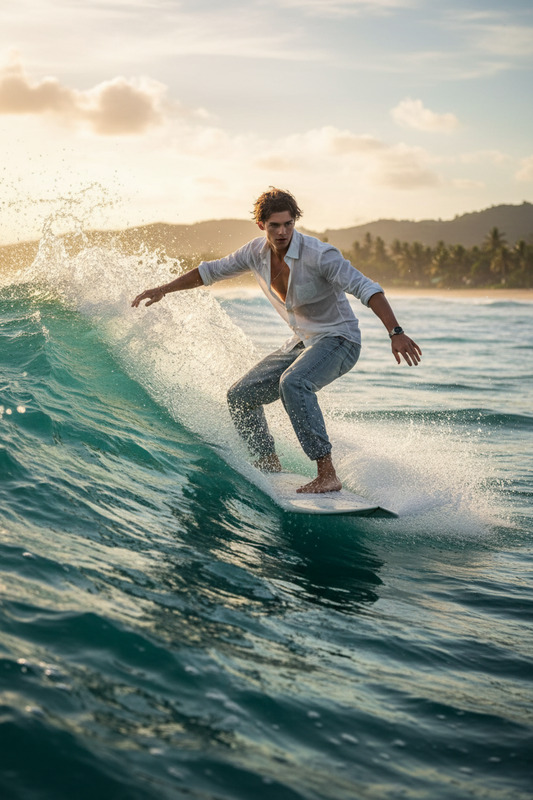
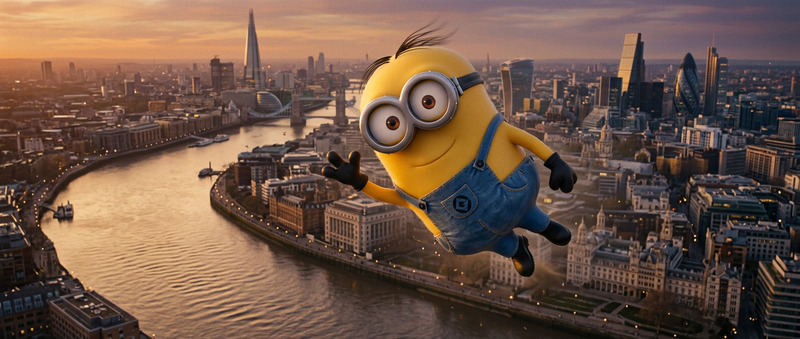
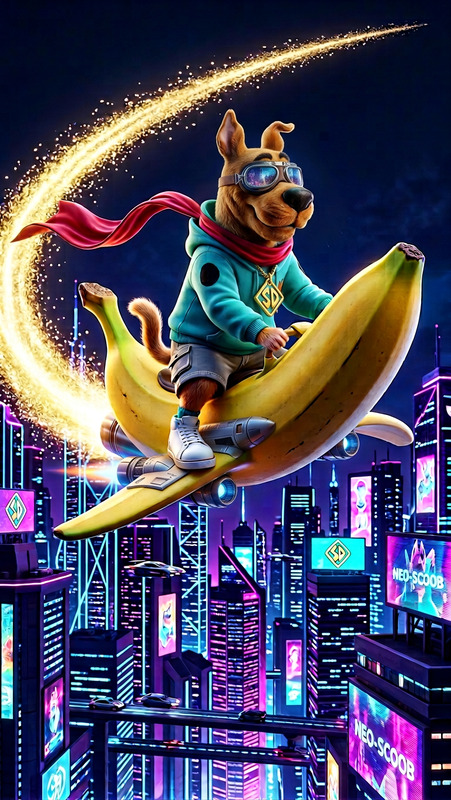
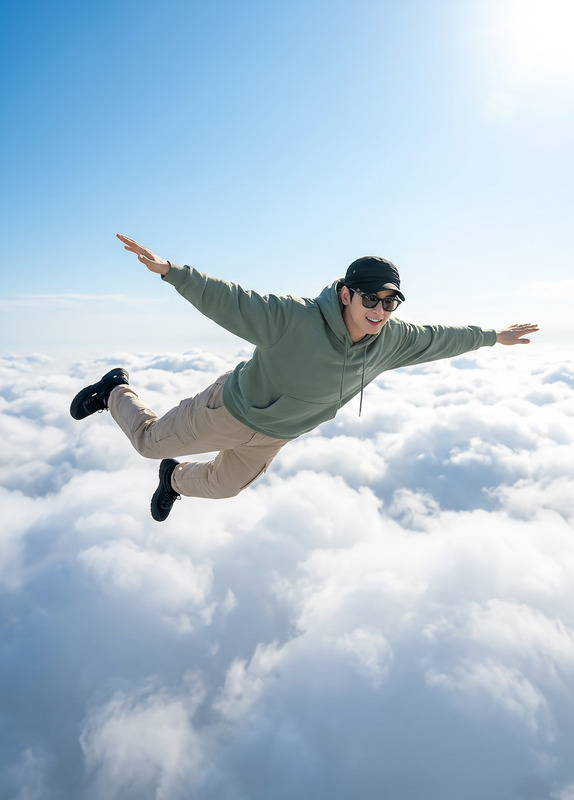
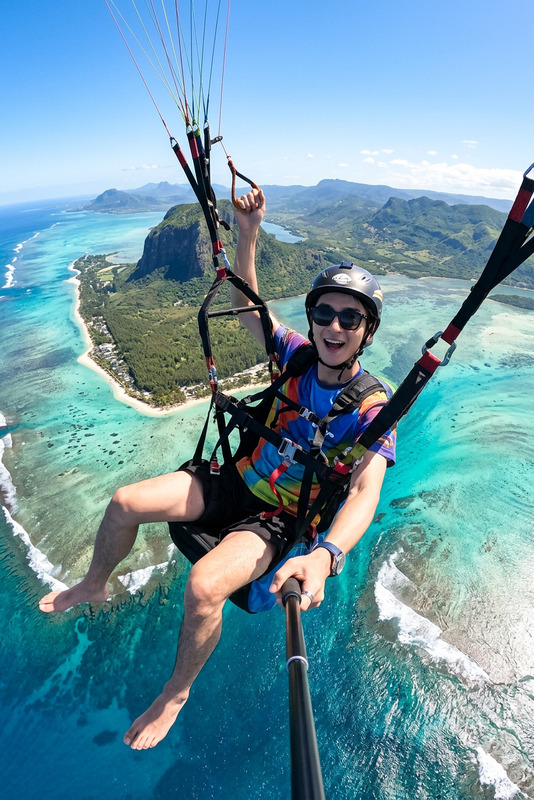
Scene is high above Waikiki Beach, Hawaii on a bright sunny day; a subject is flying forward in a Superman pose at high speed, with hair and clothes blowing strongly in the wind; subject looks excited and shouts toward the camera; camera uses a smooth tracking shot moving alongside subject at the same speed, while the ocean and city below move rapidly backward to emphasize motion and scale; strong wind sound and energetic atmosphere; cinematic, dynamic, high detail, realistic lighting.

Cinematic AI Image Template – Built with Magic Hour AI Image Editor

Use this template as a starting point to turn ordinary photos into cinematic, high-impact visuals with the AI Image Editor. It’s designed for creators, startups, and marketers who need polished images fast—without a full design team or complex tools.


What this template is for

This AI Image Editor–based template is ideal for:

  • Social media posts (Instagram, X, LinkedIn, TikTok thumbnails)
  • Landing pages, hero images, and promo banners
  • Ad creatives and A/B test variants
  • Thumbnails for YouTube, courses, or webinars
  • Pitch decks and investor updates
  • Product shots, mockups, and “before/after” transformations

If you’re working on growth, content, or product marketing and need consistent, professional visuals at scale, this template is built for you.


How to remix this template in Magic Hour

You can recreate or customize this template in a few minutes:

  1. Open AI Image Editor
    Go to AI Image Editor. This is the base tool used to build this template.

  2. Upload your source image

    • Use a product photo, a portrait, a screenshot, or an illustration.
    • For best results, start with a reasonably clear, well-lit image. If your image is low quality, you can first enhance it with the AI Image Upscaler or Unblur Image.
  3. Describe the transformation you want
    In plain language, explain the cinematic or stylistic changes you need, for example:

    • “Turn this into a cinematic movie-poster style image with dramatic lighting and depth of field.”
    • “Make this a clean, minimalist SaaS landing-page hero image with a soft gradient background.”
    • “Transform this selfie into a professional LinkedIn headshot with neutral lighting and subtle background blur.”

    Use relevant visual keywords that matter for your use case:

    • For marketers: “high-conversion ad creative,” “scroll-stopping thumbnail,” “brand-consistent colors,” “minimalist, tech startup style”
    • For developers/founders: “pitch deck slide visual,” “product UI mockup style,” “app store screenshot style”
    • For artists/creators: “cinematic,” “studio lighting,” “film still,” “digital painting,” “comic-book style,” “anime style”
  4. Refine with iterative edits
    Once the first version is generated, use AI Image Editor again to:

  5. Export and repurpose across channels
    Once you’re happy with the result, export it and reuse it across:

    • Social platforms (resize/crop as needed)
    • Landing pages
    • Email campaigns
    • Decks and internal docs

You don’t need to match any specific “settings” from this template—everything can be recreated just by describing the outcome you want. The core of this template is the workflow: upload → describe → refine → export.


Advanced remix ideas for creators and teams

If you want to go beyond a single image and build a repeatable content system, you can combine AI Image Editor with other Magic Hour tools:


AI Image Editor: What’s happening under the hood (briefly)

Magic Hour’s AI Image Editor uses modern diffusion and image-to-image generation techniques. In practice this means:

  • You can radically change style (e.g., photo → anime, photo → digital painting) while keeping composition recognizable.
  • You can make subtle professional adjustments: lighting, color grading, backgrounds, or minor retouching without a steep learning curve.
  • Because prompts are language-based, you can quickly test multiple visual directions for product launches, campaigns, or brand refreshes.

For creators and teams, this reduces the time from “rough idea” to “ready-to-ship visual” from hours/days to minutes.


Use cases and examples you can replicate

You can easily adapt this template for:

  1. High-converting ad creatives

    • Start with a product photo.
    • Use AI Image Editor to:
      • Remove cluttered backgrounds
      • Add brand colors and subtle gradients
      • Emphasize product features (lighting, reflections, focus)
    • Then test variants by changing style in the prompt: minimal, premium, playful, dark-mode, etc.
  2. Founders and team portraits for startup sites

    • Turn casual photos into consistent, studio-like portraits using AI Image Editor.
    • If you have very old or low-quality pictures, run them through Old Photo Restoration or Photo Colorizer first.
  3. YouTube & course thumbnails

    • Edit your base face shot into a clean, high-contrast, thumbnail-ready image.
    • Combine with background changes via AI Image Editor and Thumbnail Maker.
  4. Content for dev tools, SaaS, and apps

    • Generate UI mockups or conceptual visuals with AI Art Generator, then refine and brand them using AI Image Editor.
    • Build a consistent visual library for docs, blog posts, and release notes.
  5. Niche visual styles for campaigns


How to keep your outputs consistent and on-brand

When remixing this template for ongoing content:

  • Reuse visual language in your prompts
    • E.g., always mention: “clean, minimal, product-led,” or “bold, high-contrast, neon tech aesthetic.”
  • Stick to a small set of styles
    • Choose 1–2 “core looks” (e.g., cinematic + minimal) and keep remixing within that range.
  • Standardize faces and personas

This is how teams use Magic Hour to build repeatable design systems without hiring full-time design or illustration resources.


Turn your edited images into complete video and audio assets

If this template is part of a larger content workflow, you can extend your edited images into full campaigns:

  • Video from your edited image

  • Voices and narration

  • Subtitles and accessibility


How to get the most out of this template

To replicate and improve on this template inside Magic Hour:

  1. Start with a clear goal: ad creative, hero image, thumbnail, headshot, etc.
  2. Use this template as a visual reference, then:
    • Open AI Image Editor
    • Upload your own source image
    • Describe the final look you want (cinematic, minimal, brand colors, medium, mood, etc.)
  3. Iterate quickly—try 2–3 variations, keep what works, and refine from there.
  4. Save the exact language that produced outputs you like and reuse it as your “house style.”

By combining this template with AI Image Editor and complementary tools like AI Background Generator, AI Art Generator, and Image Background Remover, you can build a complete, repeatable image pipeline that scales with your content and product roadmap.

More Like This

Insufficient credits