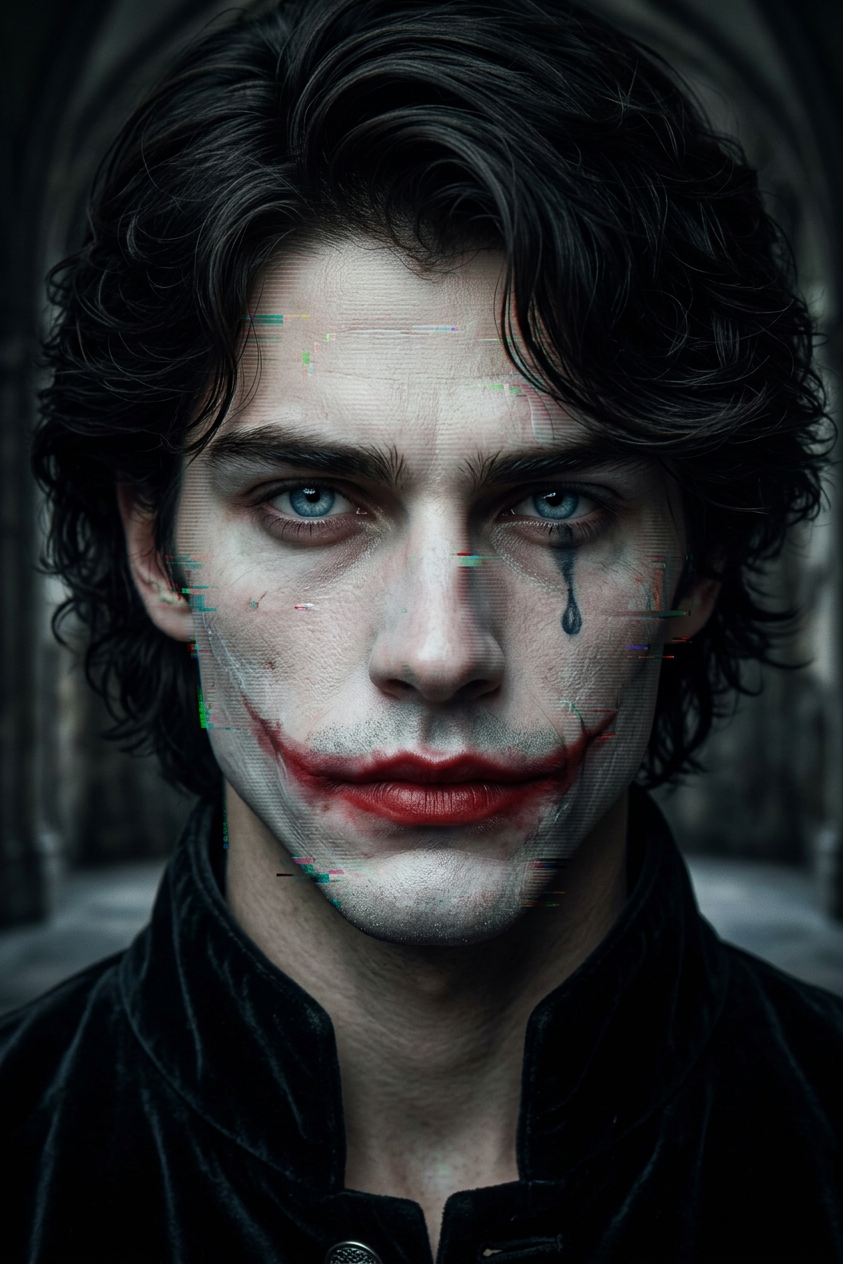
Distorted Villain Portrait
ai-image-editor
Any aspect ratio
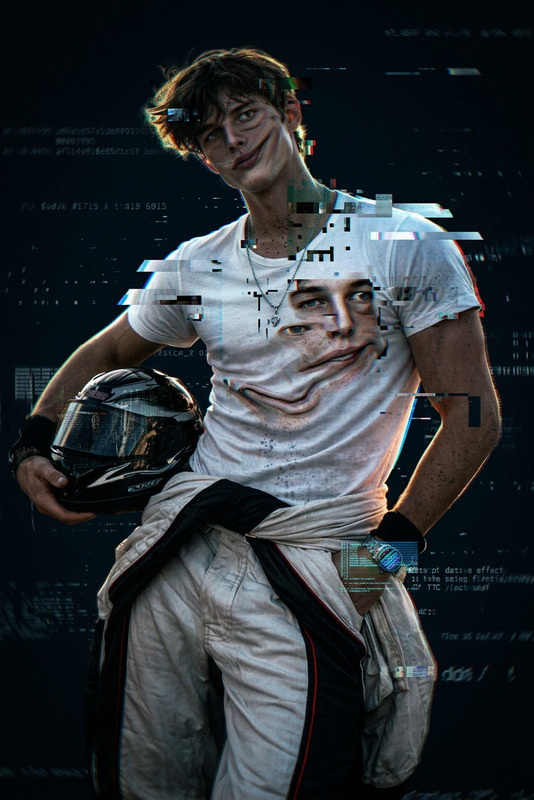
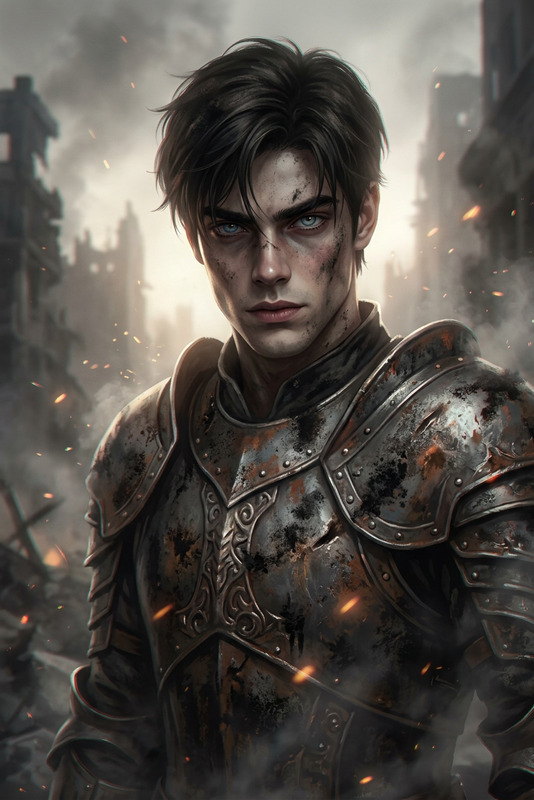
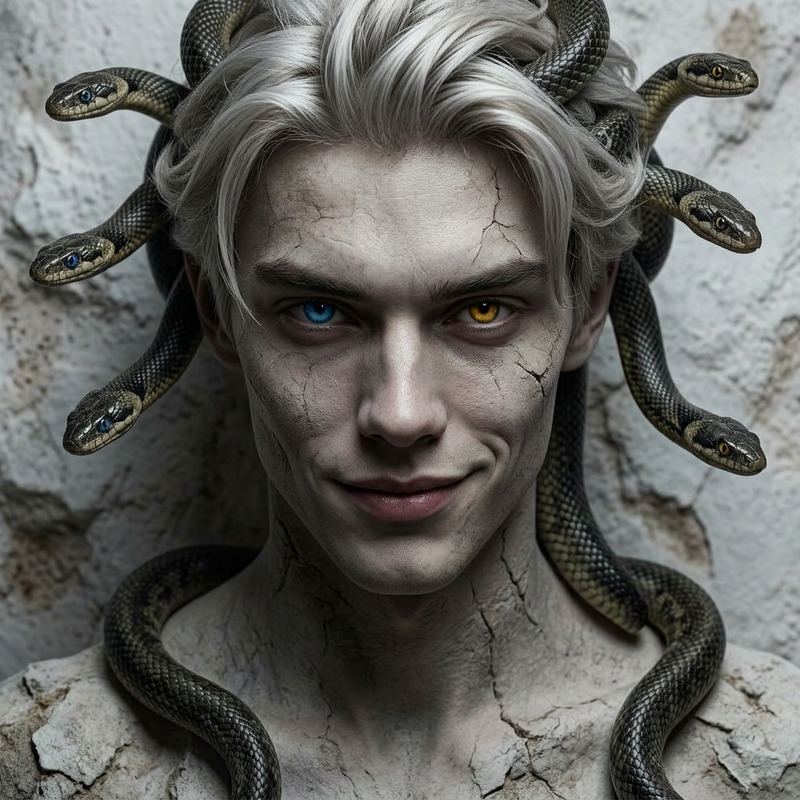
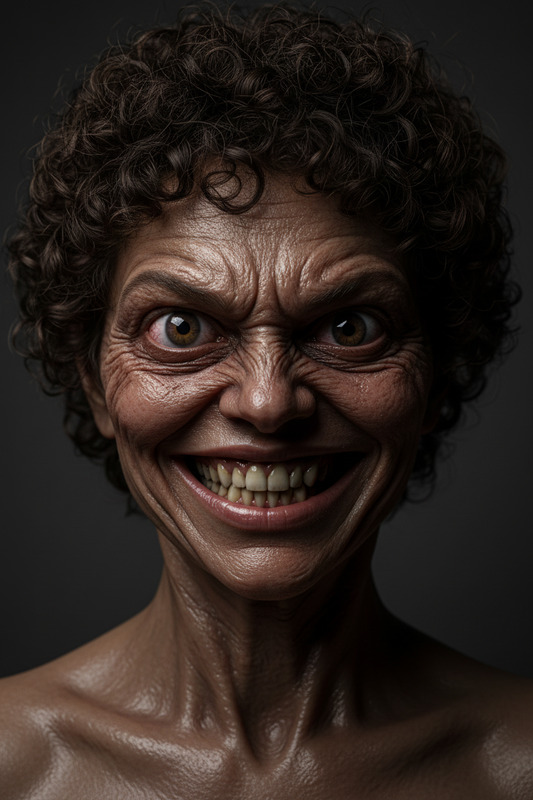
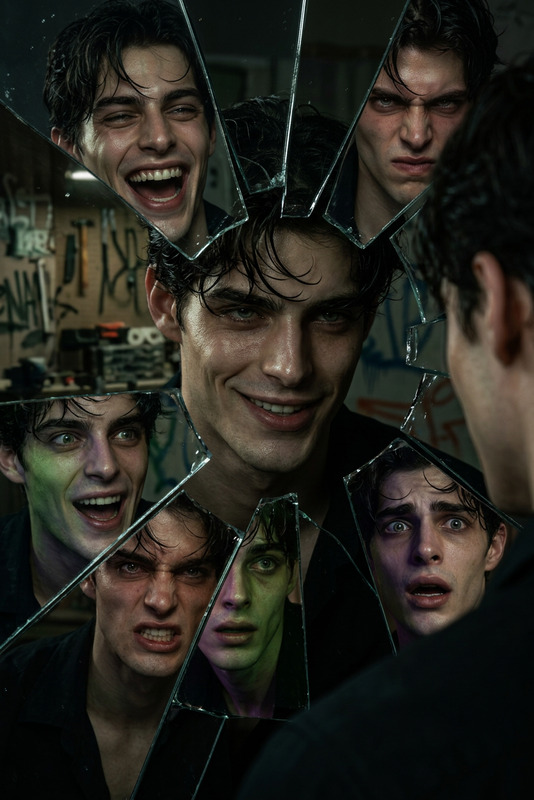
Generate a hyper-realistic close-up portrait of a sinister, clown-like villain subject with a calm yet deeply unsettling expression; the face is partially distorted through subtle digital corruption, including glitch artifacts, compression noise, and fragmented symmetry; dramatic, low-key cinematic lighting sculpts the face, enhancing emotional tension and psychological depth; the rendering is ultra-detailed with realistic skin texture, but intentionally includes controlled imperfections such as slight anatomical inconsistencies, soft blur in selective areas, and visual noise; the composition evokes discomfort through eerie stillness rather than extreme deformation; the overall aesthetic blends realism with glitch horror, creating a haunting, immersive portrait in high resolution without logos or text.
AI Image Editor Template – Remixable Workflow for Fast, High-Quality Image Edits
Use this template as a starting point to build your own AI image editing workflow in Magic Hour. It’s designed for creators and teams who need clean, controllable edits without spending hours in traditional tools.
This template showcases what you can do with the AI Image Editor, and it’s fully remixable—duplicate it, swap assets, change prompts, and connect it with other Magic Hour tools to match your brand or product.
What This Template Is Best For
This AI Image Editor–based template is ideal for:
- Social & marketing visuals: refresh product photos, social posts, email banners, and ads
- Brand & content experiments: quickly test different visual directions, colorways, and layouts
- Product and UI mockups: drop your product into new environments or backgrounds
- Creator workflows: clean up photos, remove distractions, and generate on-brand assets at scale
Because the logic is prompt-driven, you can adapt the same flow to:
- Replace or clean up backgrounds for ecommerce photos
- Remove unwanted objects or people from a shot
- Add new elements (e.g., props, overlays, branding)
- Restyle an image (e.g., realistic → illustrated, flat → cinematic)
How to Remix This Template in Magic Hour
You can recreate or extend this template in a few minutes:
Open the AI Image Editor
Start from the AI Image Editor. Upload a reference image (product shot, portrait, scene) you want to transform.Define the edit you want in natural language
Use a clear, goal-oriented prompt. For example:- “Remove the background, replace it with a clean white studio setting for ecommerce.”
- “Turn this portrait into a cinematic headshot with soft lighting and a blurred background.”
- “Remove the person in the background and restore the wall behind them.”
- “Transform this sketch into a polished, vector-style illustration.”
Iterate and refine
- Run multiple variations with different descriptions (color, style, angle, mood).
- Save the best outputs and keep them as reference images for future runs.
- If you like a particular look, re-use its prompt structure as your “house style.”
Turn it into a reusable workflow
- Save your favorite prompt + input pattern as a “recipe” you and your team can follow.
- Standardize naming (e.g., “Brand Social Post – Clean Product on Gradient Background”).
- Share the pattern internally so anyone can recreate the same style in a few clicks.
Extend the flow with other Magic Hour tools
Once you’re happy with the base image edit, you can chain it into other tools:- Animate or turn it into a short clip with Image to Video
- Clean the background more aggressively with Image Background Remover
- Upscale for print or high-res campaigns with AI Image Upscaler
- Convert the edited photo into a professional portrait using AI Headshot Generator
- Turn it into a stylized avatar or character using the Avatar Generator or AI Character Generator
Example Remix Ideas
Use this template as a base and adapt it for different use cases:
1. Product Photography Refresh
- Start from this template’s structure with the AI Image Editor.
- Prompt for: “Clean product shot on seamless background, soft shadows, high contrast, ecommerce-ready.”
- Remove distracting objects with the AI Remover or Remove Object from Photo.
- Upscale for marketplaces or print using AI Image Upscaler.
2. Social Media & Ad Creatives
- Start with a base image edit and then:
- Generate on-brand background designs with the AI Background Generator.
- Create multiple stylistic variants with the AI Art Generator or AI Photo Generator.
- Turn final assets into animated GIFs using the AI GIF Generator.
Use consistent prompts to keep your campaigns visually coherent.
3. Brand & Concept Exploration
- Start from your logo, product, or hero image.
- Use the AI Image Editor to experiment with new art directions (minimalist, cyberpunk, comic, painterly, etc.).
- Then:
- Generate concept art variations with AI Illustration Generator.
- Create mock book/album/thumbnail artwork with the Book Cover Generator, Album Cover Generator, or Thumbnail Maker.
- Explore logo directions using the AI Logo Generator.
4. Portraits, Headshots, and Avatars
- Use the AI Image Editor to clean and refine a face or portrait.
- Then:
- Turn it into a polished professional photo with AI Headshot Generator.
- Create stylized avatars with the Avatar Generator, AI Anime Generator, or Disney AI Generator.
- Edit facial details (expression, age style, subtle adjustments) using the AI Face Editor or AI Face Generator.
Connect Edited Images to Video and Audio Workflows
Once you’ve built the image you want with this template, you can move from static visuals to richer media:
Turn images into short videos:
Use Image to Video to animate an edited image into a dynamic clip for social content, landing pages, or product launches.Create talking photos and explainers:
- Pair your edited portrait with AI Talking Photo.
- Generate or clone a voice with the AI Voice Generator or AI Voice Cloner.
- Add subtitles using the Auto Subtitle Generator.
Advanced video transformations (starting from edited assets):
- Apply face changes with Face Swap or Face Swap GIF.
- Transform existing clips with Video to Video.
- Generate fully synthetic scenes using Text to Video.
Related Magic Hour Templates You Can Combine
This AI Image Editor template works particularly well alongside other Magic Hour creation flows:
- Face Swap Video Template – Swap faces in video content using edited images or headshots from this template.
- Lip Sync Template – Turn edited portraits or characters into lip-synced videos.
- Video to Video Template – Stylize or transform videos that already include your edited images.
- Animation Template – Animate characters, avatars, or scenes you’ve refined with this image editing workflow.
Advanced Remix Ideas for Teams and Power Users
If you’re a marketer, founder, or technical creator running repeatable workflows, consider:
Standardizing prompt templates
Maintain shared prompt docs for:- Product imagery (marketplace, website, presentation)
- Social campaigns (ads, organic posts, carousels)
- Brand assets (illustrations, icons, covers, thumbnails)
Creating style “families” using the same base prompt structure across:
Building full pipelines that start with this template and then:
- Clean/restore source photos using Old Photo Restoration, Photo to Sketch, or Photo Colorizer.
- Enhance and unblur inputs with Unblur Image.
- Remove watermarks for authorized assets via the Watermark Remover.
- Output final visuals for specific formats with tools like the AI QR Code Generator.
Tips for High-Quality Results
- Be specific in prompts. Describe subject, style, lighting, background, and mood. Example:
“Minimalist product photo, centered, white background, soft studio lighting, subtle shadow, web-ready.” - Use examples. If you have a reference image or style, keep reusing it; AI models are more consistent when you anchor them with similar content and language.
- Iterate deliberately. Keep a small set of go-to prompts that work. Change only one thing at a time (background, color palette, or style) to learn what matters.
- Build a visual library. Save outputs you like into labeled folders (e.g., “Q3 Ads – Gradient,” “Pitch Deck Figures – Line Art”) and reuse them as a style guide.
This template is meant to be a reusable backbone for your visual workflows. Remix it, extend it with other Magic Hour tools, and evolve it into a system your whole team can use to produce consistent, on-brand images in minutes—not hours.