Pyramids Photoreal Scene

Pyramids Photoreal Scene

ai-image-editor

1 clip
1 uses

Any aspect ratio

Prompt

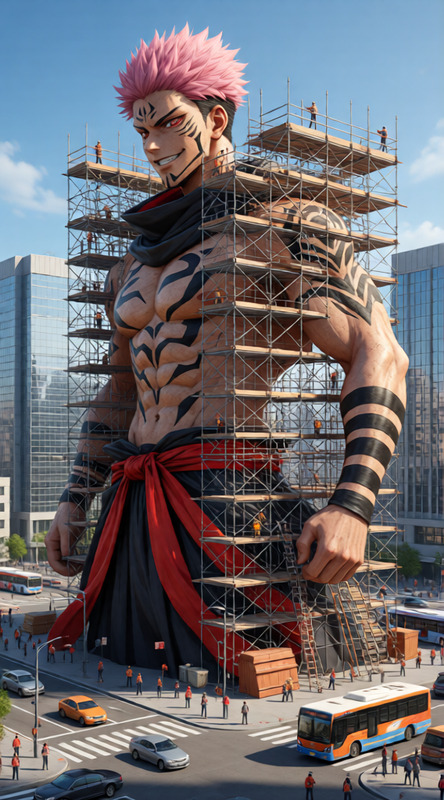
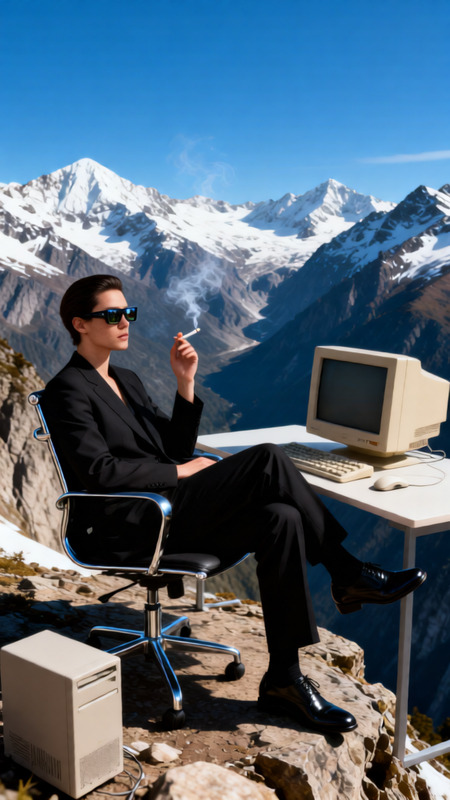
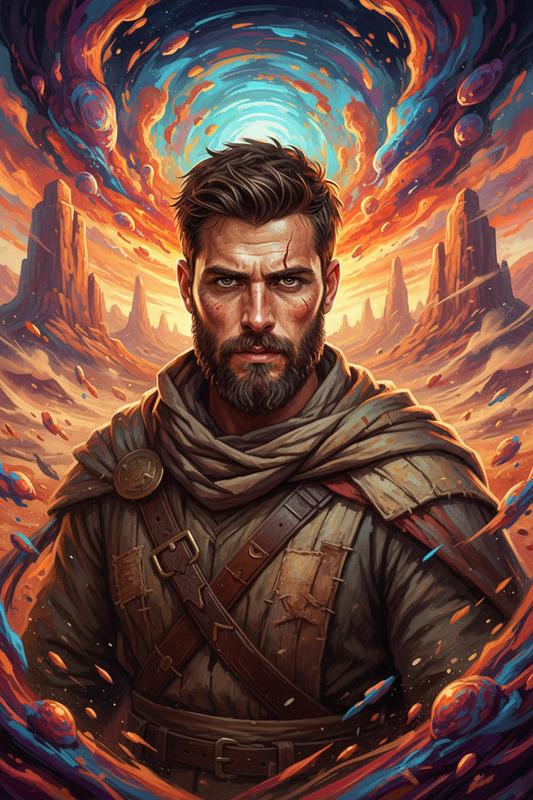
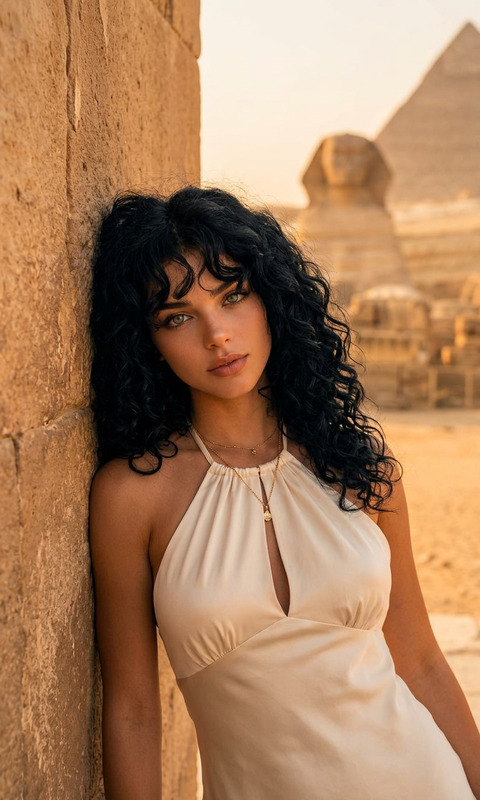
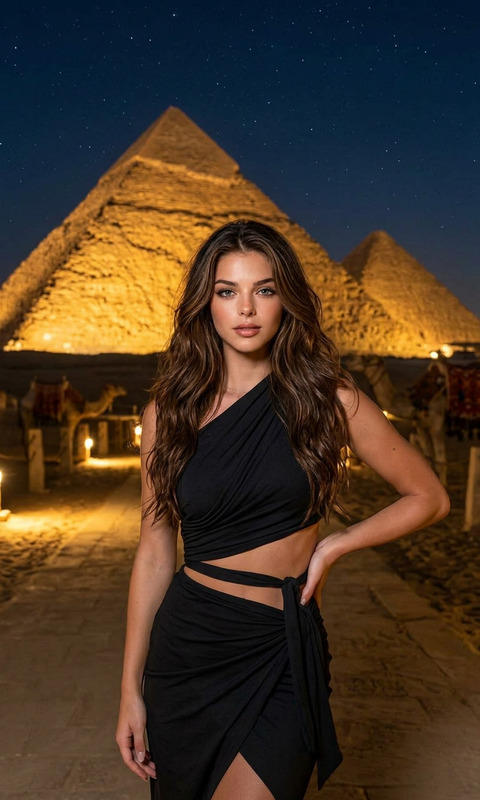
A photorealistic, high-detail image of massive ancient subject rising from a vast desert landscape. The subject features large stone structures with visible weathering and textured surfaces, surrounded by golden sand dunes stretching into the distance. The subject is illuminated by natural lighting, with a bright blue sky and soft clouds overhead. Subtle atmospheric depth, realistic shadows, and fine details in the stone blocks create a cinematic and immersive scene.

AI Image Editor Template: Fast, Precise Image Editing for Serious Creators

Use this template to turn any image into production-ready creative in a few clicks with the AI Image Editor. It’s built for people who need control, speed, and consistency—marketers shipping campaigns, founders iterating on landing pages, designers testing concepts, and creators optimizing content across platforms.

This template is fully remixable inside Magic Hour: you can swap the source image, adjust the instructions, and chain it with other Magic Hour tools to build your own reusable editing workflow.


What You Can Do With This Template

This template is optimized around the most common, high‑impact editing tasks:

All of this is driven by the same underlying AI Image Editor engine, so you get consistent behavior and repeatable results across use cases.


How to Remix This Template in Magic Hour

You can use this template as-is, or treat it as a starting point for your own image-editing system.

1. Duplicate the template

  • Open this template in Magic Hour
  • Duplicate it to your workspace so you can safely modify prompts, steps, and outputs

2. Swap in your own source images

  • Replace the default example image with:
    • Product photos
    • Team headshots
    • UGC or social screenshots
    • Concept art or sketches
  • The AI Image Editor will adapt its edits to your new image automatically.

For bulk editing pipelines (e.g., many SKUs or many headshots), you can connect this template with tools like:

3. Customize the edit instructions

Within the template, update the instructions to match your workflow. Common patterns that work well:

  • “Remove all clutter from the background and replace with a clean studio backdrop.”
  • “Change the outfit to a formal business suit suitable for a LinkedIn headshot.”
  • “Turn this flat product photo into an e‑commerce hero image on a white background.”
  • “Convert this illustration into a comic-book style panel.”
  • “Make this image look like a high-end fashion editorial.”

You can also chain edits conceptually: first clean and upscale the image, then restyle or repurpose it.

4. Chain it with other Magic Hour products

To build more advanced pipelines:


Best Use Cases for This Template

This template is especially effective for:

1. Performance marketing & growth teams

  • Rapidly generate and test creative variants for ads, landing pages, and email
  • Standardize product shots or lifestyle imagery across campaigns
  • Create consistent visual systems for A/B testing across channels

Relevant tools to chain with:

2. Startup founders & product teams

  • Quickly mock up product ideas, UI concepts, feature visuals
  • Generate investor deck images and site hero graphics without a designer
  • Keep a consistent brand visual language across pitch, site, and product

Helpful tools:

3. Content creators & YouTubers

  • Turn raw screenshots or photos into polished assets for thumbnails and banners
  • Style‑match across an entire channel or series
  • Quickly adapt old content to new formats

Chain this template with:


Advanced Creative Workflows You Can Build

Because this template is based on the core AI Image Editor, you can combine it with specialized generators to build more complex pipelines:

Character and worldbuilding pipelines

Ecommerce & catalog standardization

  • Start with raw supplier or UGC images
  • Use this template to:
    • Remove busy backgrounds
    • Standardize lighting and framing
    • Clean artifacts and upscale resolution
  • Optionally:

Social & community campaigns


Connecting Image Editing to Video and Audio

If you want to extend your edited images into full multimedia experiences, you can integrate this template conceptually with:

This makes it straightforward to go from static edited image → character → animated, voiced video content without leaving the Magic Hour ecosystem.


Tips for Reliable, Reusable Results

To get the most value from this template and keep it robust across many use cases:

  • Be specific in your edit instructions

    • Describe the desired outcome, not just the action.
    • Example: “Replace the background with a soft, defocused city skyline at night” is better than “Change background.”
  • Standardize inputs when possible

    • Similar framing and lighting in your source images usually leads to more consistent AI output.
    • For headshots, consider generating or normalizing them with the AI Headshot Generator first.
  • Think in steps, not single prompts

    • Conceptually separate “cleanup” from “styling”:
      1. Remove objects, fix flaws, upscale.
      2. Apply style changes, backgrounds, or overlays.
    • This mental model maps well to how the AI Image Editor operates under the hood.
  • Use it as a “visual specification” tool

    • Many teams use AI editing templates to quickly prototype a visual direction before handing it to human designers for final polish.
    • This drastically shortens creative iteration cycles and helps stakeholders agree on direction faster.

Related Magic Hour Tools for Image Editing Workflows

If you find this template useful, you’ll likely also benefit from combining it with:


Why Use an AI Image Editor Template Instead of Manual Editing?

For creators, marketers, and product teams, the advantages are practical:

  • Speed – go from “idea → usable creative” in minutes instead of hours
  • Repeatability – once you like the behavior, you can reuse this template for dozens or hundreds of images
  • Cost efficiency – especially useful for early-stage teams that don’t have full-time design support
  • Scalability – plug your own inputs into the same editing logic and keep visual quality consistent as you grow

By remixing this AI Image Editor template and pairing it with other Magic Hour tools, you can build a modular, repeatable creative pipeline that scales from one-off experiments to full production workflows.

More Like This