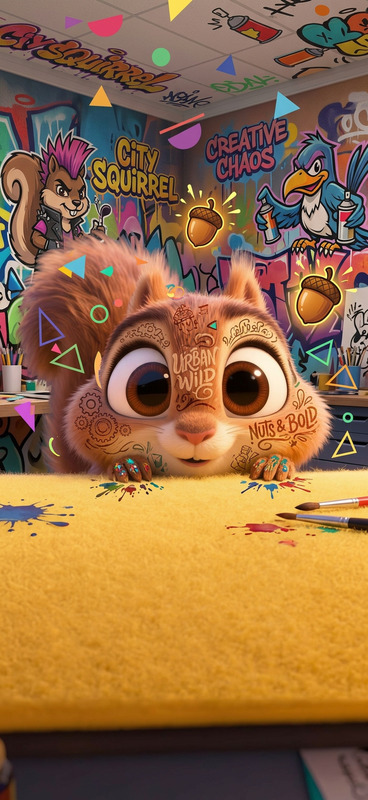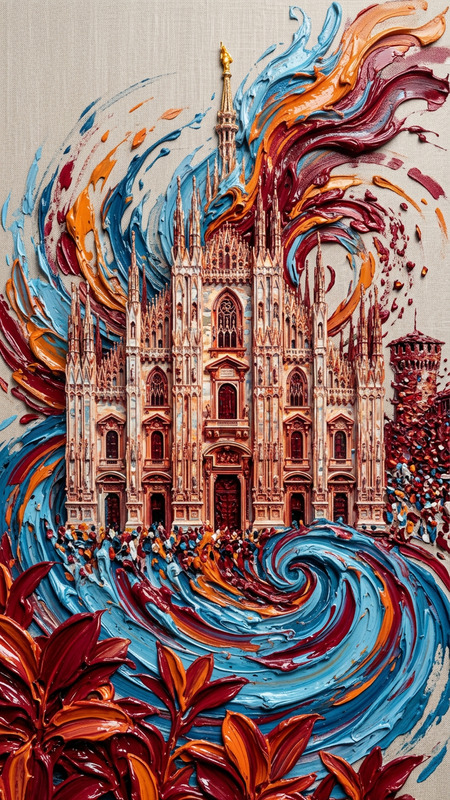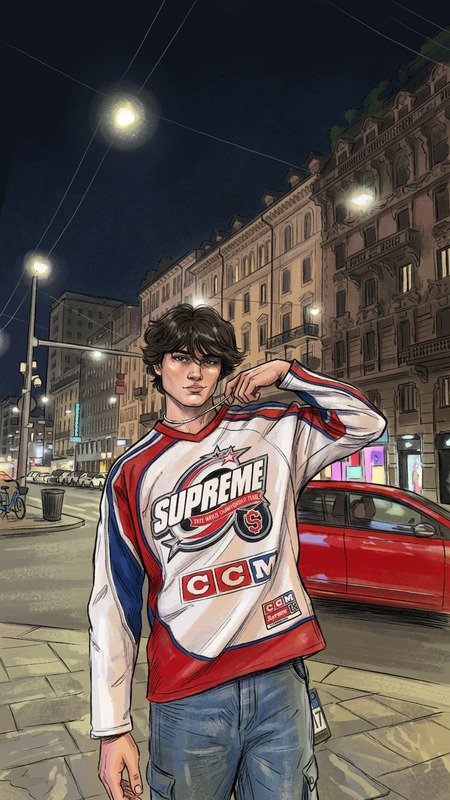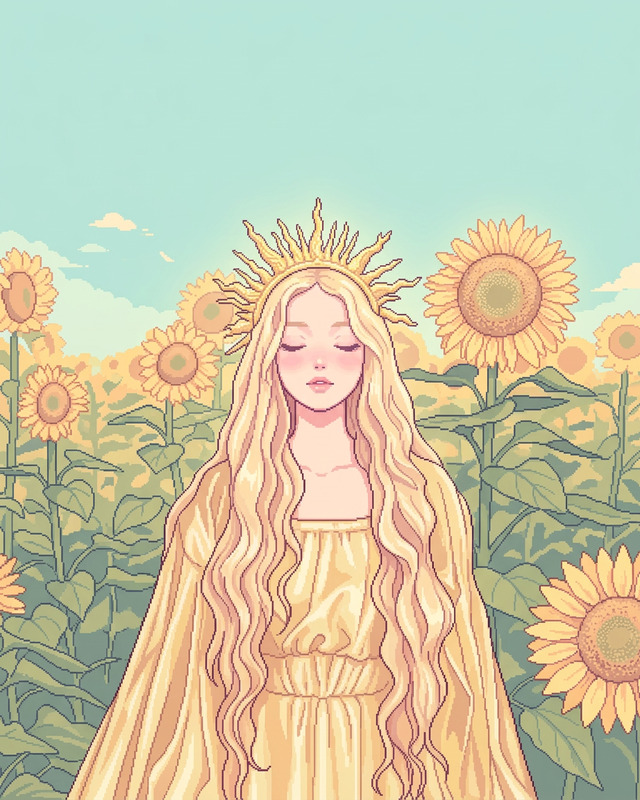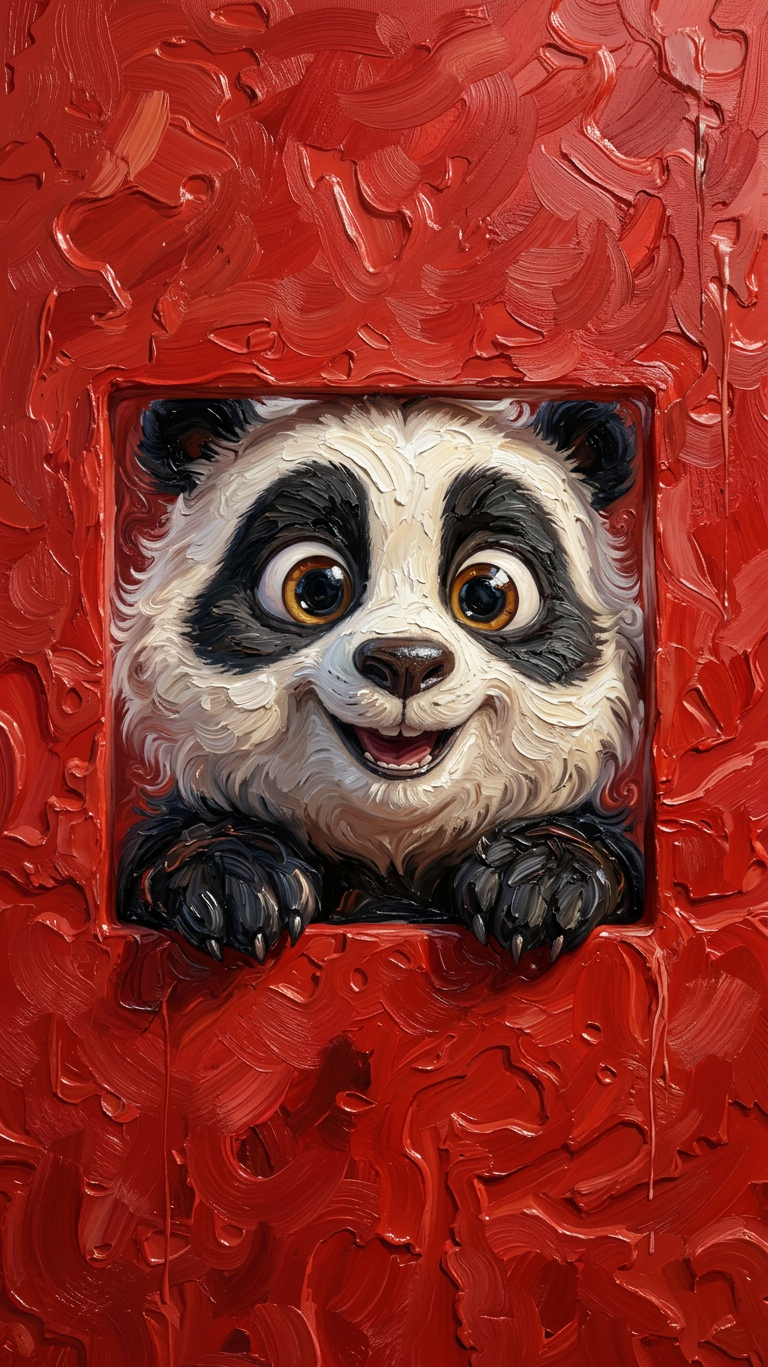
Animated Oil Painting

Animated Oil Painting

ai-image-editor

1 clip
3 uses

Any aspect ratio

Prompt

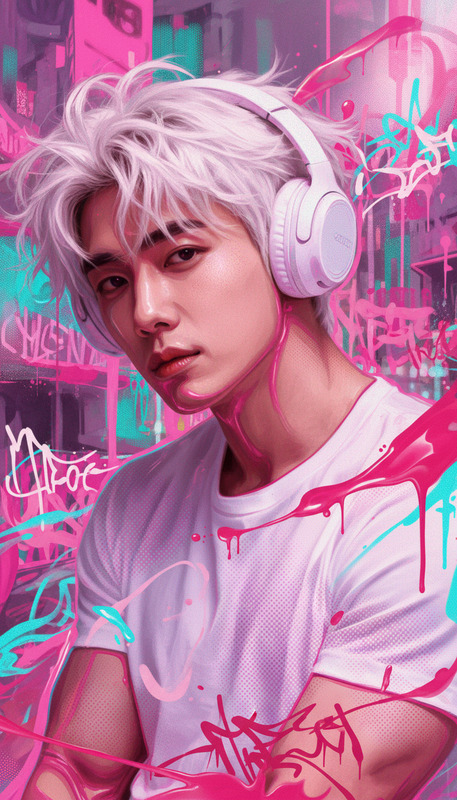
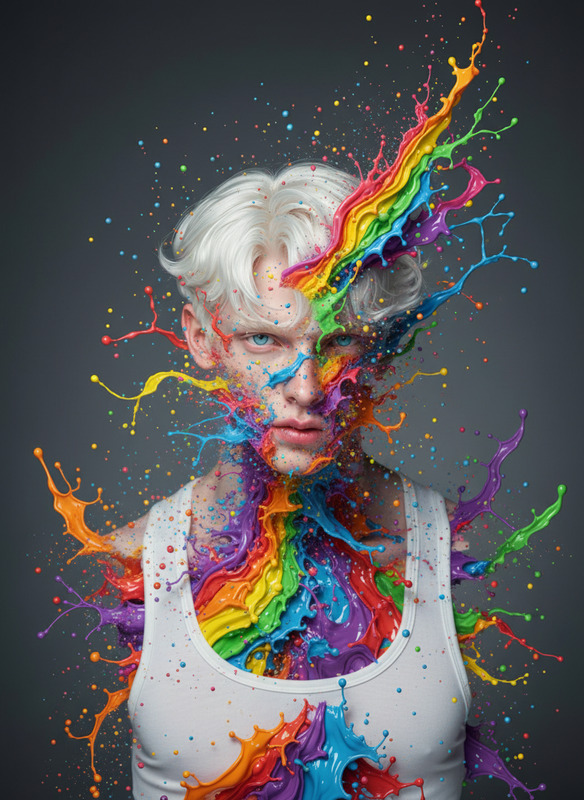
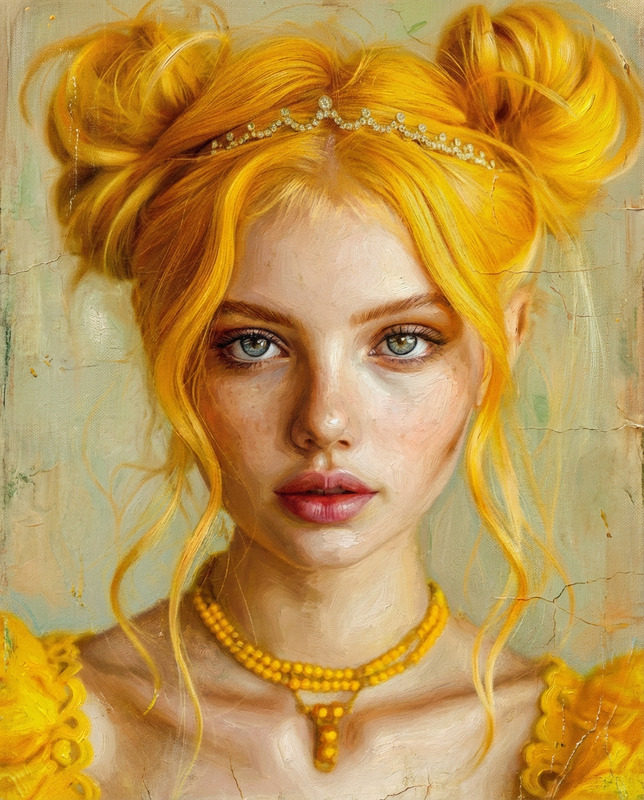
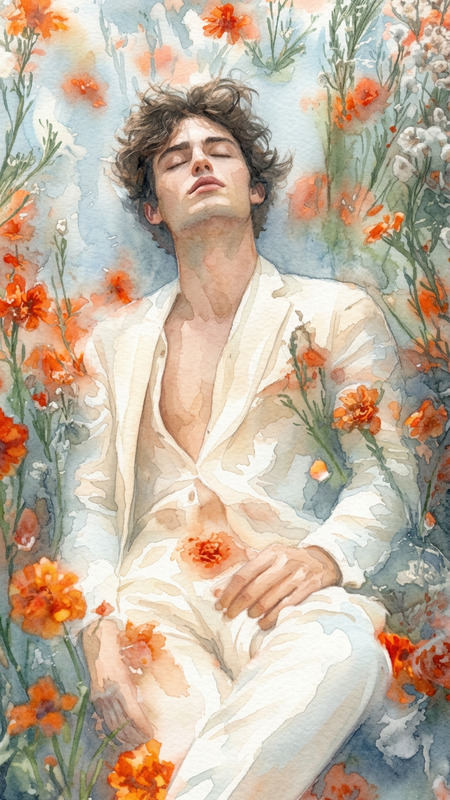
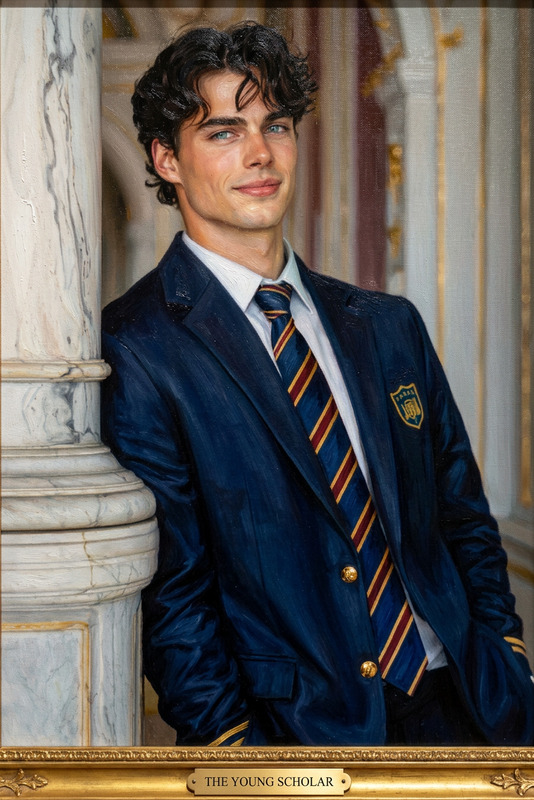
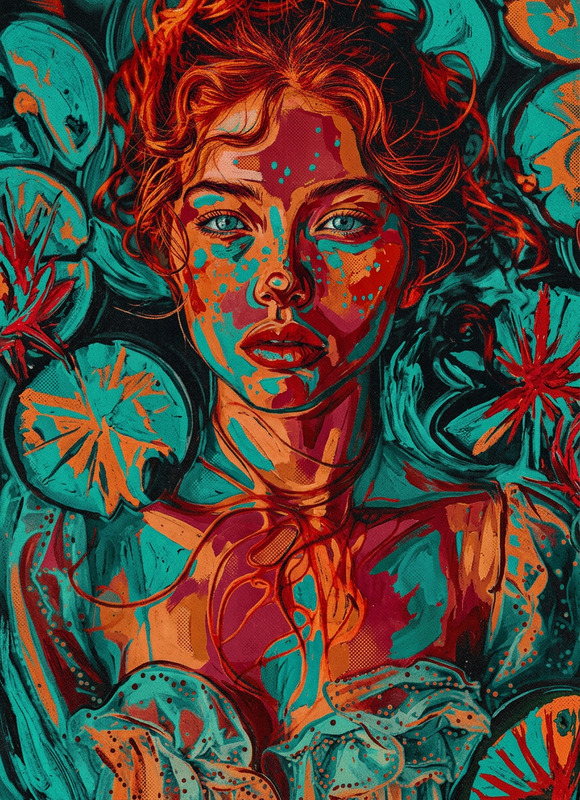
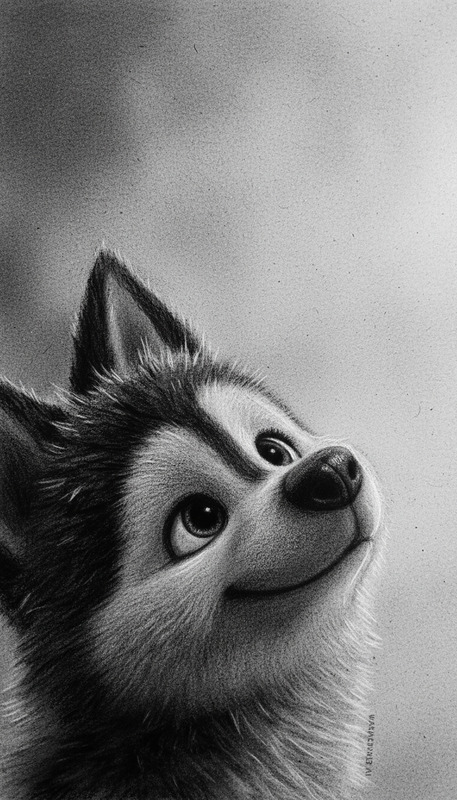
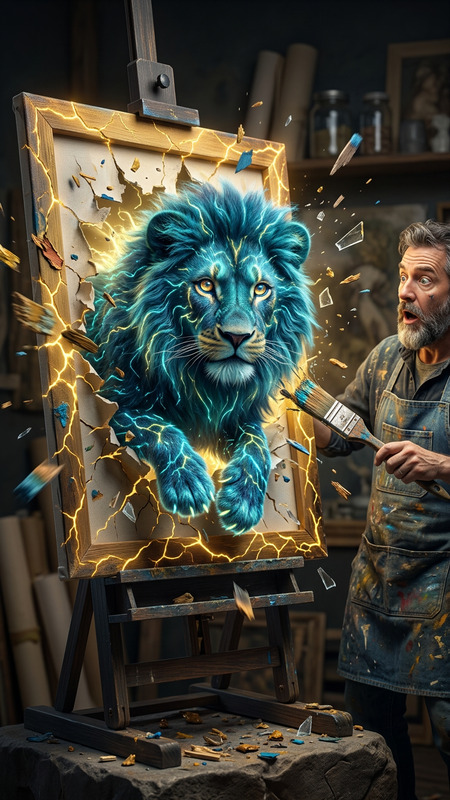
The subject and entire background quickly morph into an oil painting animation style while preserving the original color palette and hues. Thick, expressive brushstrokes and layered paint textures flow across all elements with soft impasto details and smooth blending. The subject’s face and body transform into painterly strokes while maintaining likeness and silhouette. The entire scene becomes a living oil painting, artistic, immersive, ultra-detailed, cinematic lighting, 4K.

Tags

styles

AI Image Editor Template: Turn Any Photo into a Polished, On-Brand Visual in Minutes

Use this template to quickly clean up, enhance, and transform any image with the AI Image Editor. Whether you’re a marketer optimizing creatives, a founder iterating on product shots, or a designer prototyping concepts, this template gives you a repeatable workflow you can remix for your own projects.


What This Template Is Best For

This AI Image Editor–powered template is designed for:

  • Product & marketing images
    • Clean up e‑commerce photos
    • Remove distractions from UGC and ad creatives
    • Match visuals to campaign concepts or landing pages
  • Brand & content design
    • Quickly prototype hero images and social posts
    • Generate multiple on-brand variants from a single photo
    • Localize visuals for different audiences or platforms
  • Founder / startup workflows
    • Improve pitch-deck visuals without a designer
    • Create consistent team or founder imagery
    • Test creative directions before you invest in production

Under the hood, this template uses Magic Hour’s AI Image Editor, which combines image-generation models with inpainting, background editing, and detail enhancement.


How to Remix This Template in Magic Hour

You can use this template as-is, or treat it as a starting point and customize it for your own use-case.

  1. Start from this template

    • Open the template in Magic Hour and duplicate it into your workspace.
    • Replace the example input image with your own (e.g., product shot, portrait, UI mockup, or illustration).
  2. Define your input images clearly

    • Use high‑resolution images where possible; if your source is low quality, you can pre‑enhance it with the AI Image Upscaler.
    • If you’re using portraits, consider pairing this with AI Headshot Generator or AI Face Editor for consistent, professional looks.
  3. Specify what should change vs. stay the same

    • Use clear, structured text in your editor prompt:
      • What to preserve (subject, pose, product, layout, lighting style)
      • What to modify (background, style, accessories, colors, text, mood)
    • For object-level edits (logo cleanup, item removal, clutter reduction), combine this template with the AI Remover or Remove Object from Photo tools, then feed the cleaned image back into the editor.
  4. Iterate with variations

  5. Chain with other Magic Hour tools (optional)


Example Use-Cases You Can Adapt

Use this template as a blueprint for:

  1. High-converting product photos

    • Start with a raw product shot.
    • Clean the background using Image Background Remover.
    • Use the AI Image Editor to:
      • Match brand colors
      • Add realistic reflections or soft shadows
      • Generate multiple scene variants (desktop, lifestyle, packshots)
    • Optional: Animate with Image to Video for short social clips.
  2. Founder / team profile upgrades

    • Take a simple portrait or selfie.
    • Improve it with AI Selfie Generator or AI Headshot Generator.
    • Use the AI Image Editor to:
      • Standardize background and lighting
      • Align with your brand’s color system
      • Create multiple moods (formal, casual, conference, podcast-style)
  3. Thumbnail, banner, and social creative systems

    • Define a repeatable layout (subject + title + brand bar).
    • Use Thumbnail Maker for structure,
      then refine style and details with the AI Image Editor:
      • Adjust contrast, focus, and background complexity
      • Test alternative colorways and typography
    • Save your favorite variations as “patterns” you can re‑use as custom instructions in future templates.
  4. Concept art and visual exploration


How to Build Your Own Version of This Template

If you want a custom version tuned to your workflow:

  1. Define the core “contract” of your template

    • Inputs: e.g., “portrait + short brand description” or “raw product photo + use-case (homepage / ad / Amazon listing)”
    • Output: e.g., “clean, on-brand product image with neutral background and clear lighting,” or “stylized portrait in brand colors suitable for LinkedIn.”
  2. Describe your brand or style in reusable language

    • Document a few key characteristics:
      • Color palette (e.g., muted blues, warm neutrals)
      • Style (minimal, editorial, playful, cinematic, cyberpunk)
      • Target platform (web hero, mobile app store, Instagram, YouTube)
    • You can store this description separately and paste it into any remix of this template to keep outputs consistent.
  3. Create specialized variants of the base template

    • Performance creative variant: prioritizes clarity, high contrast, and legible text for ads.
    • Brand storytelling variant: softer, more atmospheric visuals for blogs and landing pages.
    • Technical / product variant: more focus on UI, diagrams, and screenshots.
  4. Combine with other Magic Hour templates and tools


Practical Tips and Best Practices

  • Keep one “source of truth” image

    • Always keep a high-quality original; direct each new iteration from that base rather than repeatedly editing edits to avoid compounding artifacts.
  • Use tools in sequence for best results

  • Maintain consistency across assets

  • Respect realism where it matters

    • For apparel, use AI Clothes Changer to test outfits, then refine imagery in the AI Image Editor.
    • For color accuracy (e.g., product packaging), keep your modifications stylistic (lighting, shadows, backgrounds) while preserving the true product color.

When to Use This Template vs. Other Magic Hour Tools

Use this AI Image Editor template when:

  • You already have a base image and want to improve, clean, or restyle it.
  • You need fast, controllable iteration for marketing or product visuals.
  • You’re building a repeatable image workflow for your team or company.

Consider other tools when:


Summary

This template gives you a practical, remixable starting point for:

  • Turning average photos into clean, brand-ready assets
  • Creating consistent visual systems across marketing, product, and content
  • Experimenting quickly with styles, layouts, and concepts—without manual editing

Duplicate the template, plug in your own images, and adjust the textual instructions to align with your brand or campaign. From there, you can chain in other Magic Hour tools—face swap, lip sync, talking photos, image-to-video, and more—to turn a single edited image into an entire content system.

More Like This

Insufficient credits