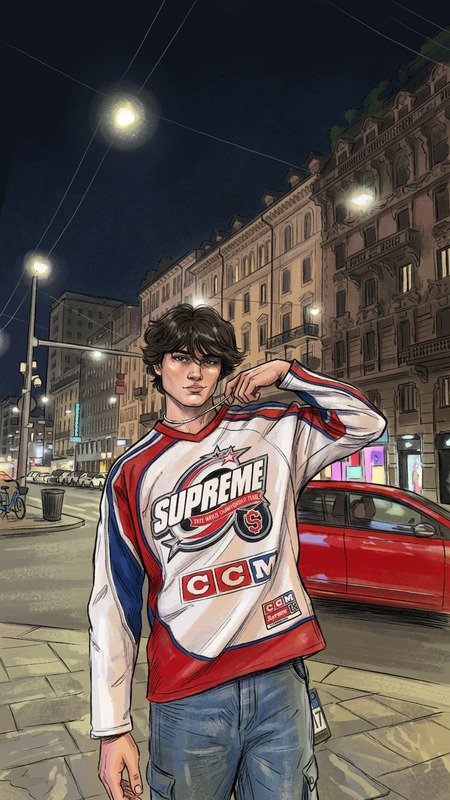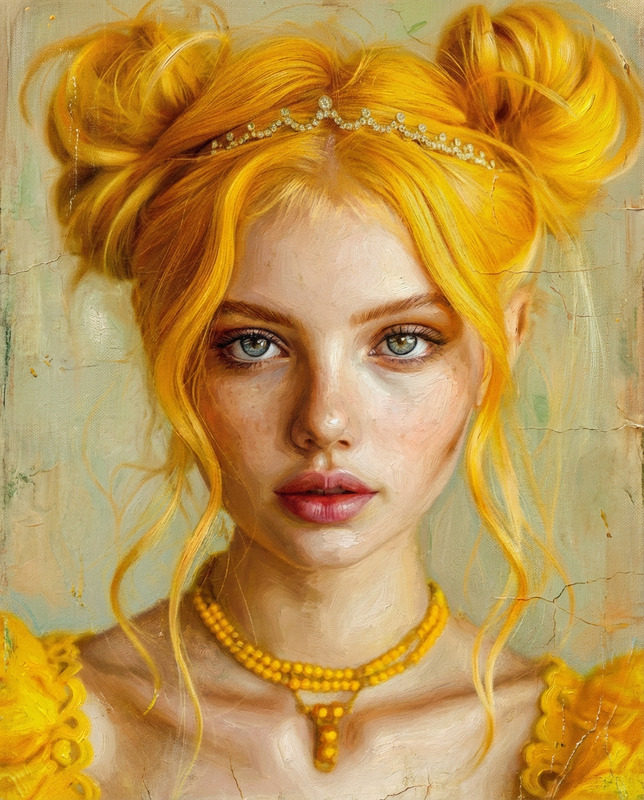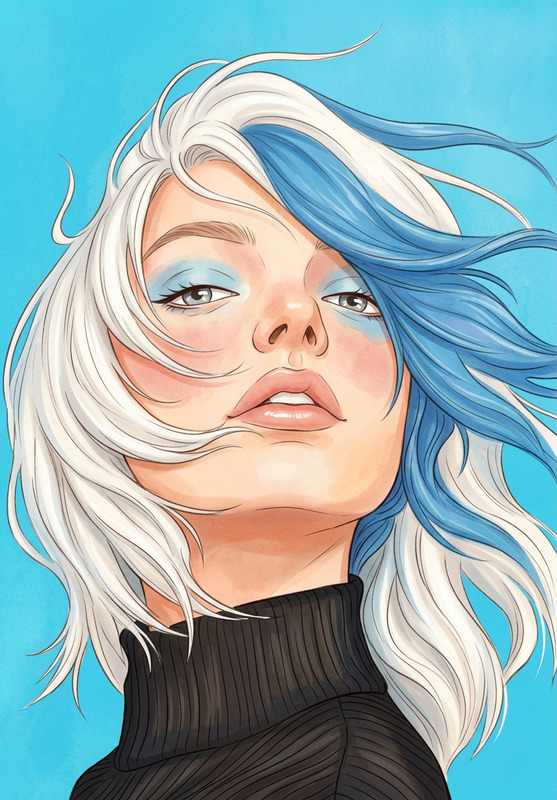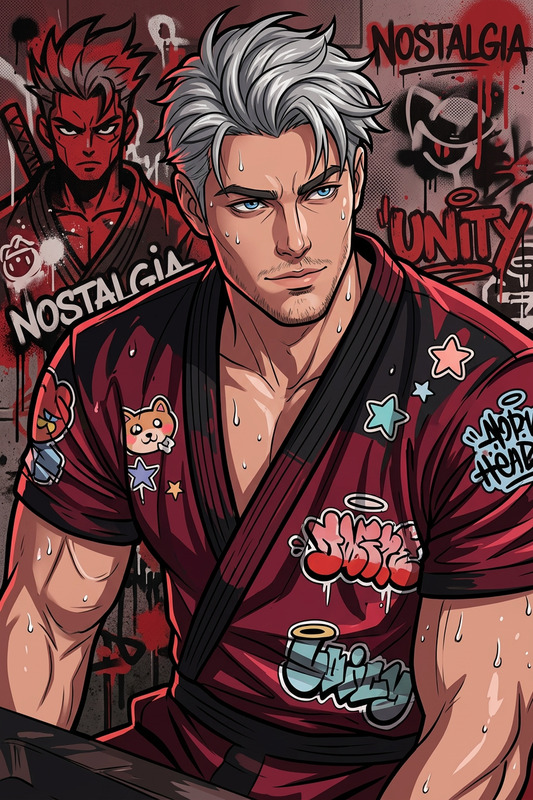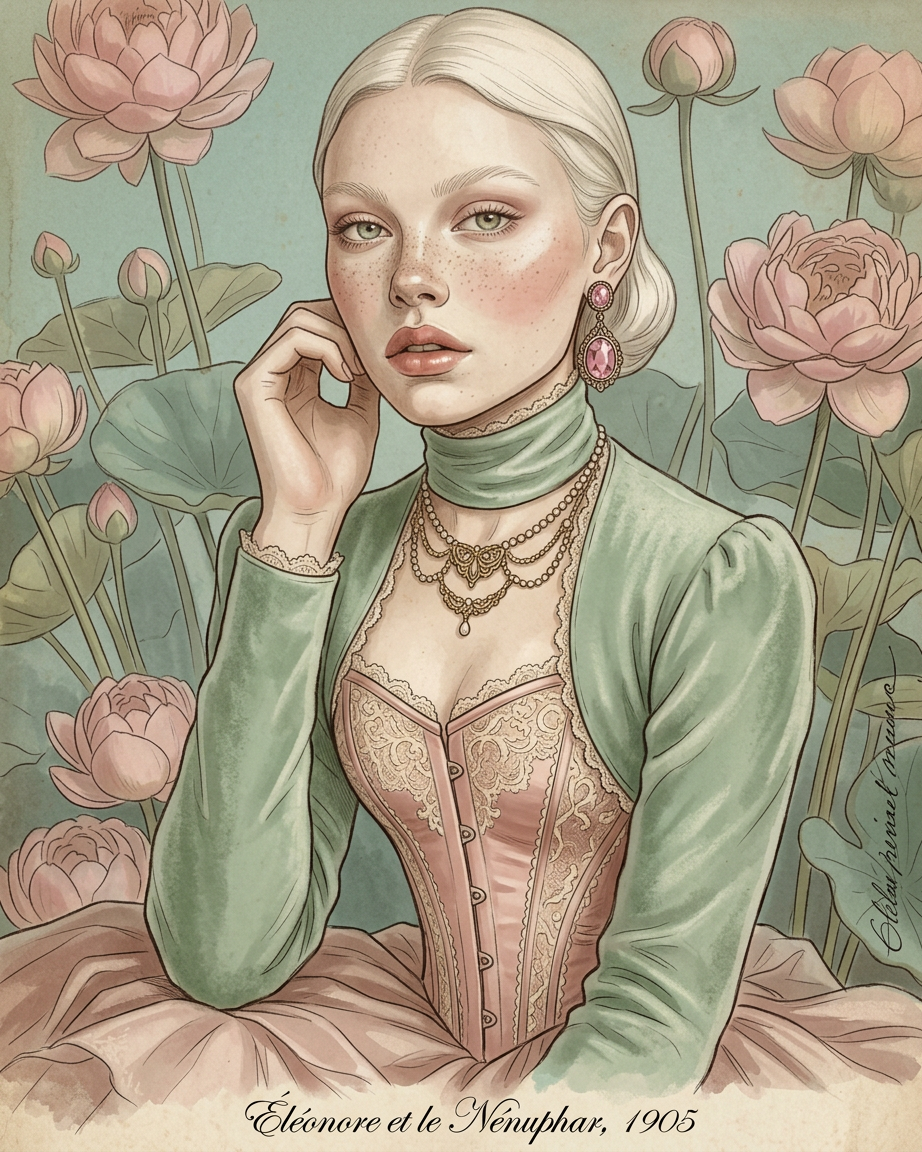
Vintage Character Interpretation
- Model
- Nano Banana 2
- Image
- 922 × 1152 px
Prompt
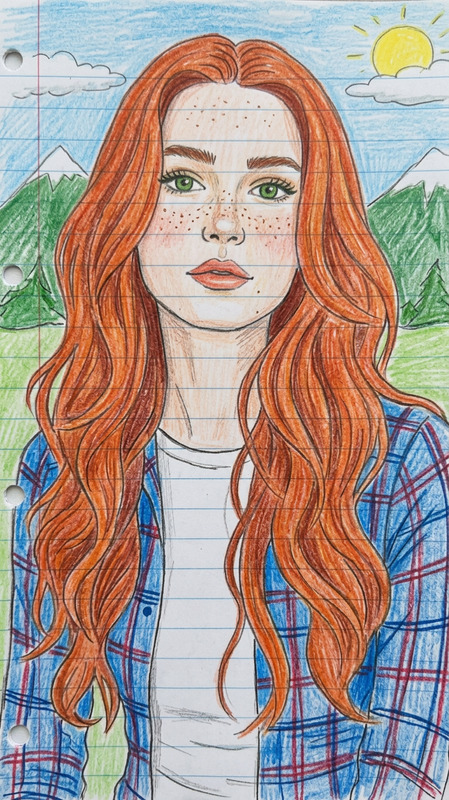
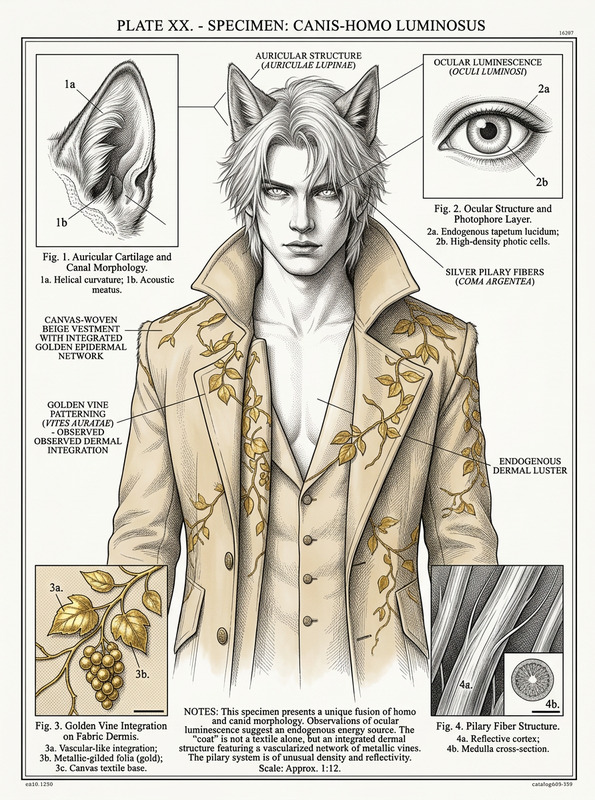
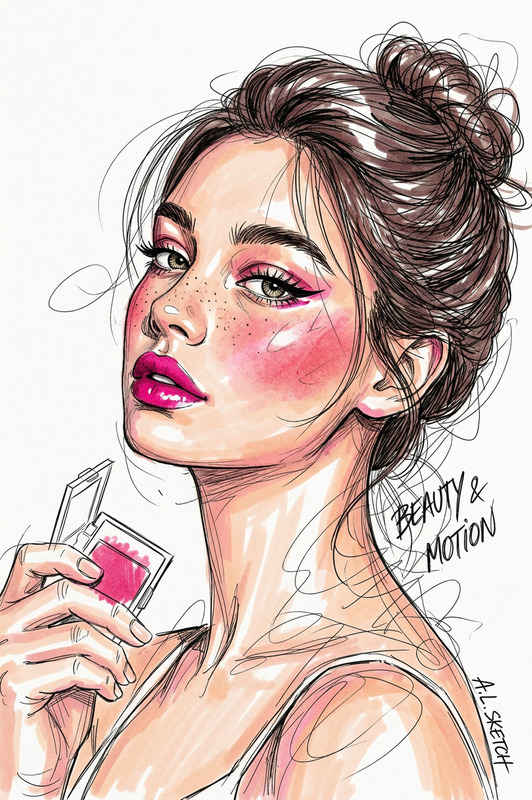
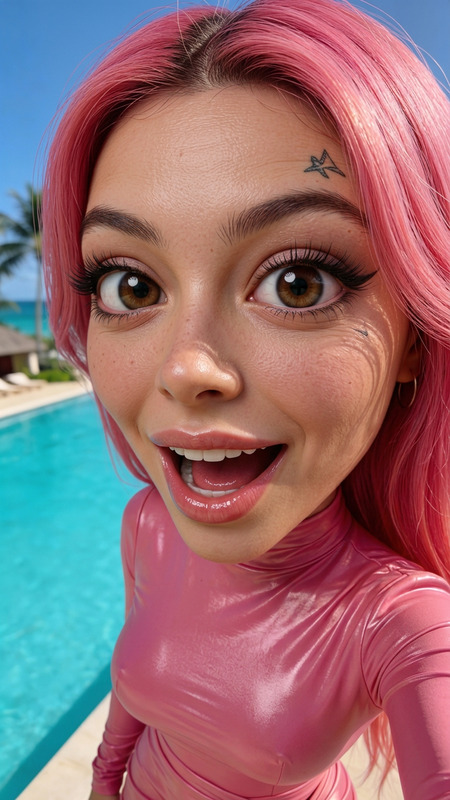
Create a detailed rendered version of the provided line drawing, transforming the subject into an old-fashioned, vintage-era character. Preserve the original proportions, pose, and key design elements from the line art. Apply period-accurate clothing, textures, and styling inspired by historical aesthetics (e.g., early 20th century portrait photography or classic illustration). Use soft, muted tones, subtle film grain, and aged paper or sepia-inspired lighting to enhance the vintage feel. Maintain clean line integrity while adding realistic shading and material detail. Ensure the final result feels like a restored historical illustration brought to life.
Any aspect ratio
Overview
The Vintage Character Interpretation template utilizes the advanced capabilities of the Full Body Generator to transform line drawings into polished vintage-era illustrations. Perfect for recreating historical aesthetics, this AI Image Editor template enhances your artwork with authentic period details and textures.
What It Does
This template takes your line art and enriches it with the visual motifs of early 20th-century portraiture. It retains original proportions and designs, enhancing them with style-consistent clothing and materials, all rendered using the precise AI Photo Relighting tool. The result is a finished piece that appears as a period-authentic illustration, complete with muted hues, subtle grain effects, and aged lighting.
Who It's For
The template is ideal for illustrators, graphic designers, and historians who wish to infuse vintage charm into their work. It's also a powerful tool for educators and content creators in need of historically styled characters for educational or narrative projects.
Summary
In summary, the Vintage Character Interpretation template empowers users to convert simple line drawings into sophisticated vintage-style artworks by integrating period-authentic details and textures. This template is perfect for anyone involved in creative projects requiring a classic touch or those exploring historical themes.
How To
Choose Your Template

Customize Your Inputs

Generate Your Illustration

Use Cases
Educational Materials
Graphic Design Projects
Historical Reenactments and Displays
Best Practices
Maintain Line Integrity
While applying textures and colors, ensure the lines from the original drawing remain clear and intact to preserve the character's design.Use Authentic Reference
When selecting historical styles, reference authentic imagery and documentation to achieve the most accurate and compelling results.Adjust Lighting Thoughtfully
Use the AI Photo Relighting features to control the ambiance of your final image, emphasizing the desired vintage look.