Anatomical Cyber-Dissection
- Model
- GPT Image 2
- Image
- 1024 × 1024 px
Prompt
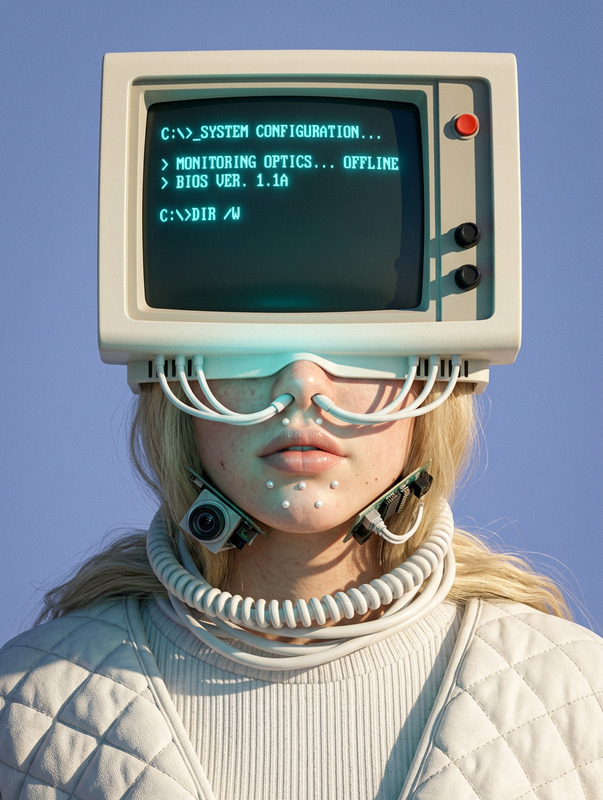
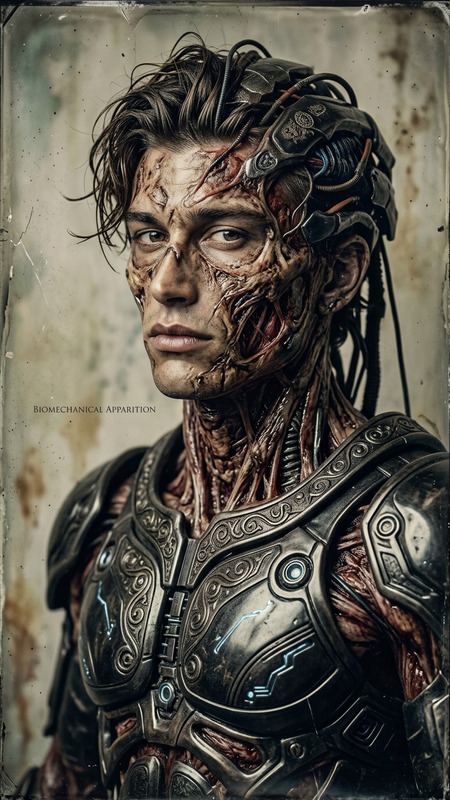
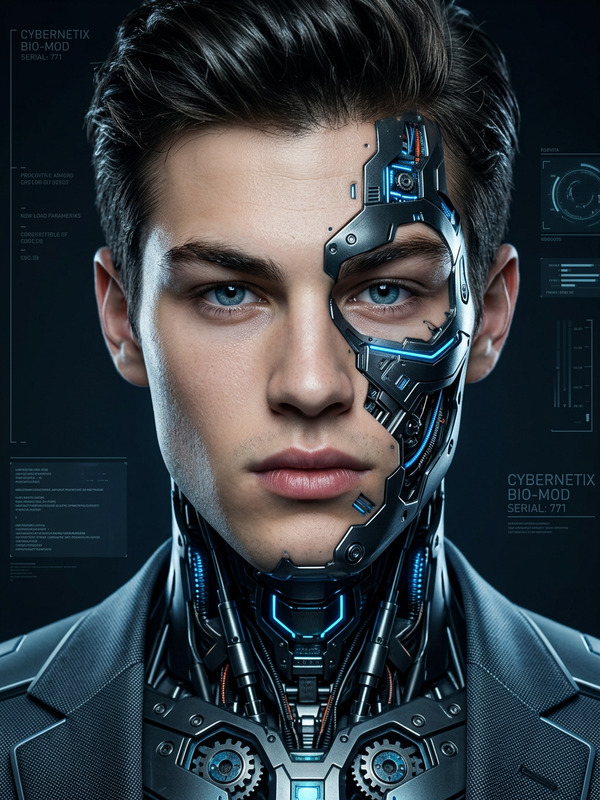
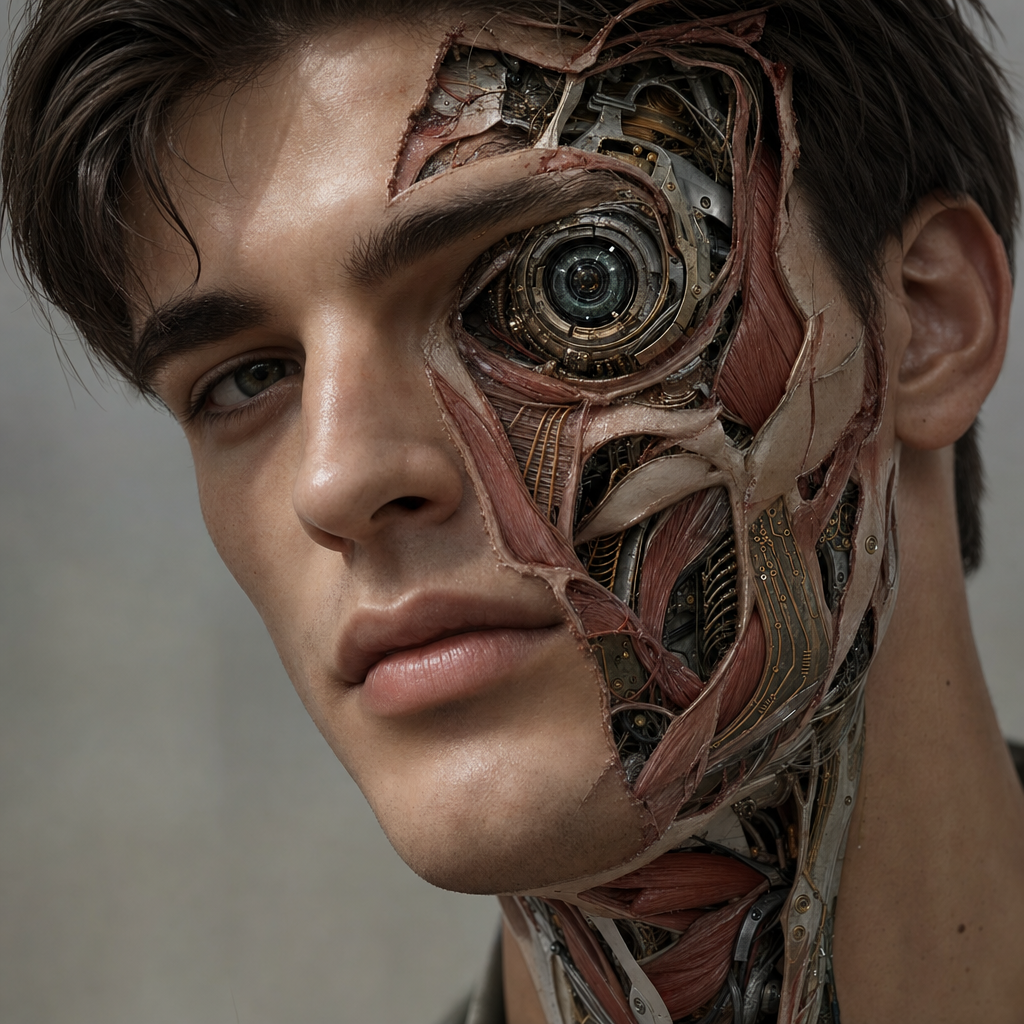
A hyper-realistic anatomical portrait of a human head partially deconstructed, revealing layered internal structures beneath the skin. The outer layer of the face remains natural and lifelike, while sections of the skull and facial tissue appear carefully peeled back in an artistic anatomical cross-section. Inside, the subject reveals intricate hybrid architecture: layered organic fibers intertwined with precise cybernetic systems, including fine mechanical components, micro-circuitry, and embedded conductive pathways seamlessly integrated with biological structures. The transition between organic tissue and machine elements is smooth and believable, emphasizing a fusion rather than separation. One eye is replaced with an advanced embedded camera lens system, featuring a metallic iris mechanism, glass optics, micro-gears, and subtle internal wiring. The design resembles a precision-engineered device integrated naturally into the orbital socket, maintaining anatomical realism while introducing mechanical complexity. Materials include a combination of organic textures (skin, muscle fibers, connective tissue) and engineered components (brushed steel, polished brass, ceramic insulators, and transparent glass optics). The contrast between soft biological surfaces and hard engineered geometry creates a striking visual tension. Lighting is cinematic and clinical, with soft directional illumination that reveals depth, translucency, and layered structure. Subsurface scattering highlights organic tissue, while specular reflections emphasize metallic and glass elements. The palette is muted and realistic, dominated by flesh tones, steel grays, brass golds, and faint internal glows from embedded systems. The composition is extremely detailed, anatomically grounded, and scientifically inspired, resembling a high-end medical visualization combined with speculative cybernetic design. Ultra-photorealistic rendering, sharp focus on micro-details, shallow depth of field emphasizing the eye mechanism, and a controlled, sterile yet artistic presentation.
Any aspect ratio
Overview
The "Anatomical Cyber-Dissection" template in the AI Image Editor offers a unique intersection of art and science. It allows creators to explore the fusion of organic and cybernetic components in a hyper-realistic manner. This template leverages the power of the gpt-image-2 model to achieve intricate details and photorealistic renderings, ideal for educational, artistic, or speculative design purposes.
What It Does
This template provides a platform to create an ultra-detailed anatomical portrait, focusing on the intricate blend of human and machine. It reveals a dissected view of a human head with exposed layers showcasing both organic tissues and cybernetic components. The design incorporates features such as organic fibers, micro-circuitry, and advanced optical systems, set against a backdrop of realistic lighting and textures.
Artists and educators can utilize this template to produce compelling visuals that mimic high-end medical illustrations, combined with futuristic cybernetic enhancements. The result is a seamless transition between the natural and the mechanical, demonstrating both scientific accuracy and artistic creativity.
Who It's For
The "Anatomical Cyber-Dissection" template is perfect for digital artists, educators in life sciences, and designers in the speculative fiction genre. It serves as a potent tool for creating visuals that engage audiences in scientific and artistic discourse. Professionals developing content for educational platforms or futuristic themed narratives will find this template highly valuable.
In addition, creators who are looking to push the boundaries of AI Image Generation will benefit from the detailed customization options and realism that this template provides, enhancing their storytelling and educational tools.
Summary
Explore the synergy of biology and technology with the "Anatomical Cyber-Dissection" template. Through detailed imagery and realistic rendering, users can produce cutting-edge visuals that rival high-quality medical illustrations. This tool is ideally suited for practitioners and educators in fields involving anatomical studies and speculative technology design, as well as for artistic experimentation.
Check out our AI Talking Photo and Text To Video products to further enrich your visual storytelling capabilities by animating and narratively enriching your creations.
How To Use
Select the Template

Customize Your Image

Generate and Save

Use Cases
Educational Illustrations
- Illustrate complex anatomical structures.
- Engage students with hyper-realistic images.
Conceptual Art for Media
- Enhance storyboards with detailed visuals.
- Create marketing material with futuristic aesthetics.
Medical Visualization
- Simulate augmented body functions.
- Visualize future prosthetics integration.
Best Practices
Balance Organic and Mechanical Elements
Ensure a smooth transition between organic and mechanical components to maintain realism.Optimize Lighting Effects
Utilize cinematic lighting to highlight the texture differences between materials.Focus on Micro-details
Enhance the visual impact by paying attention to minute mechanical elements and organic textures.