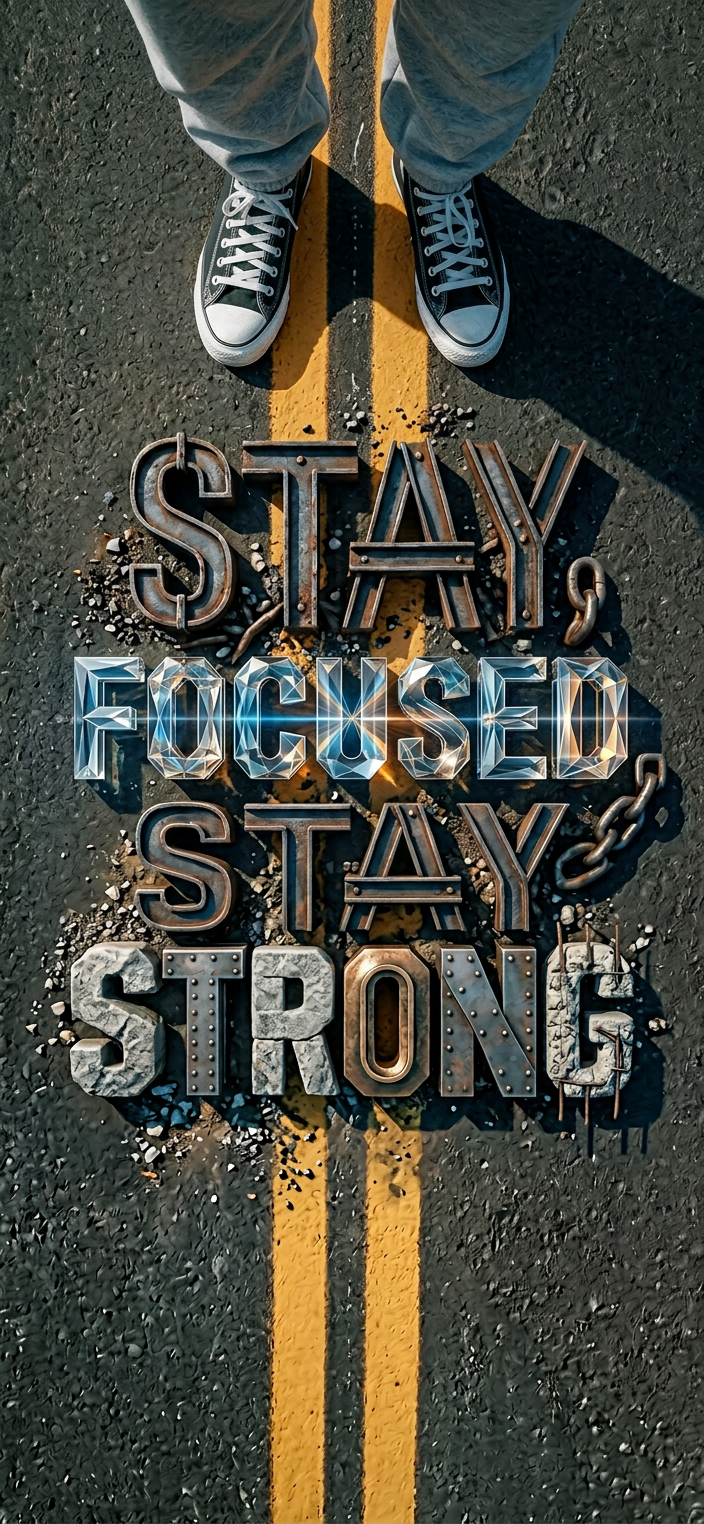
Cinematic Wordmark Design

Cinematic Wordmark Design

ai-image-editor

1 clip
0 uses

Any aspect ratio

Prompt

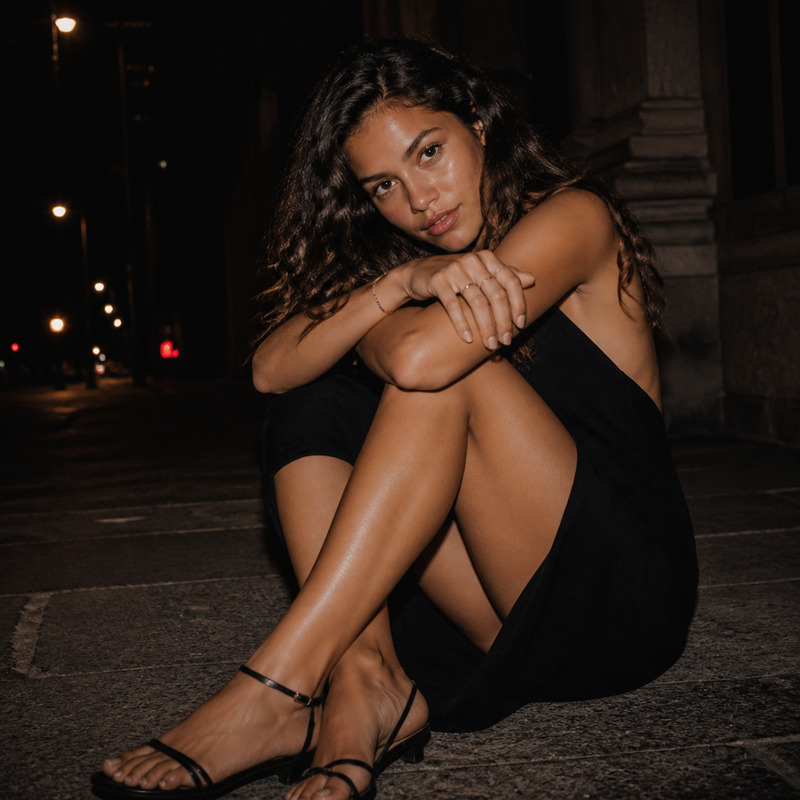
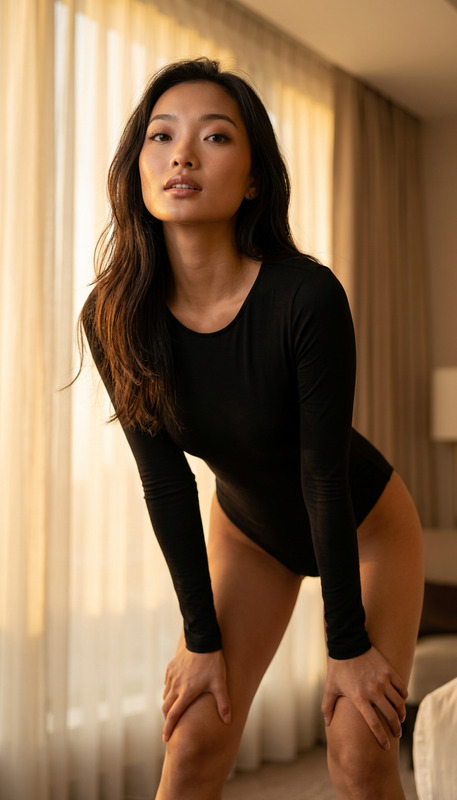
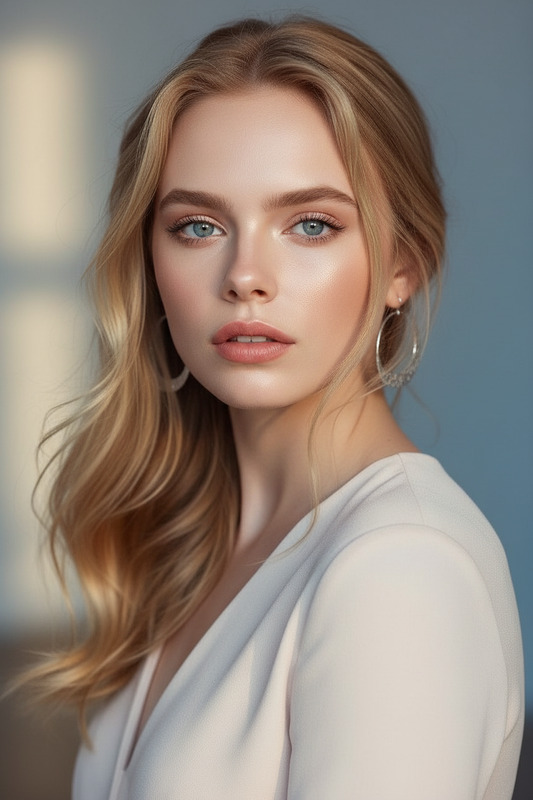
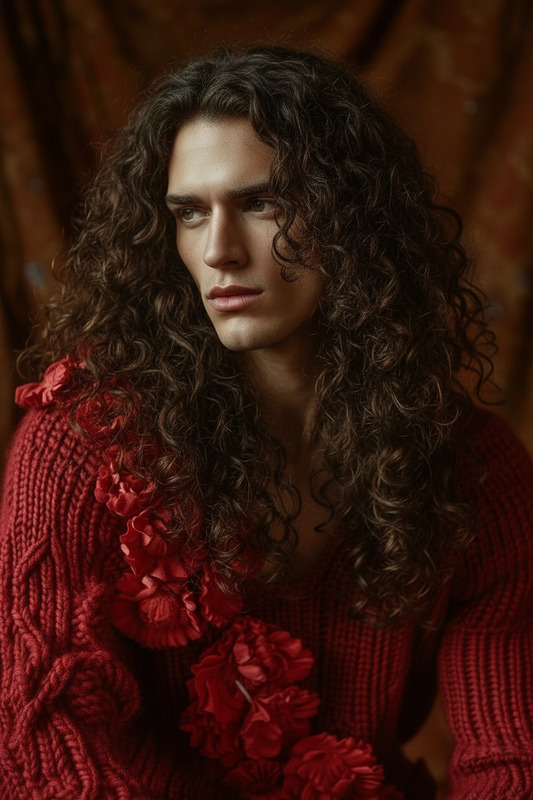
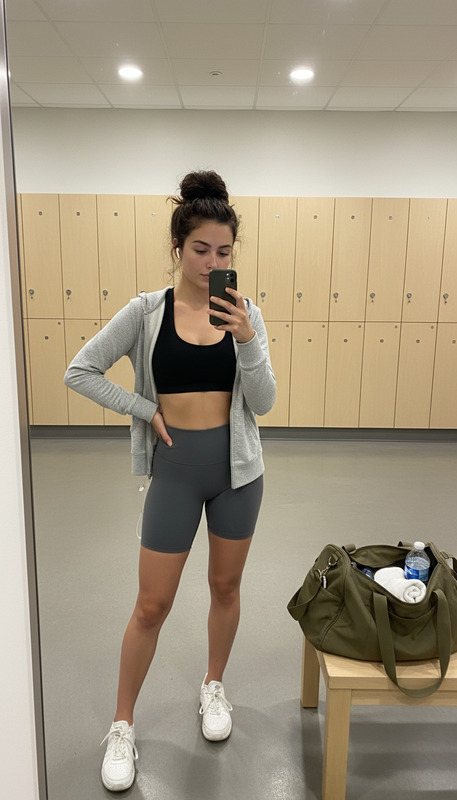
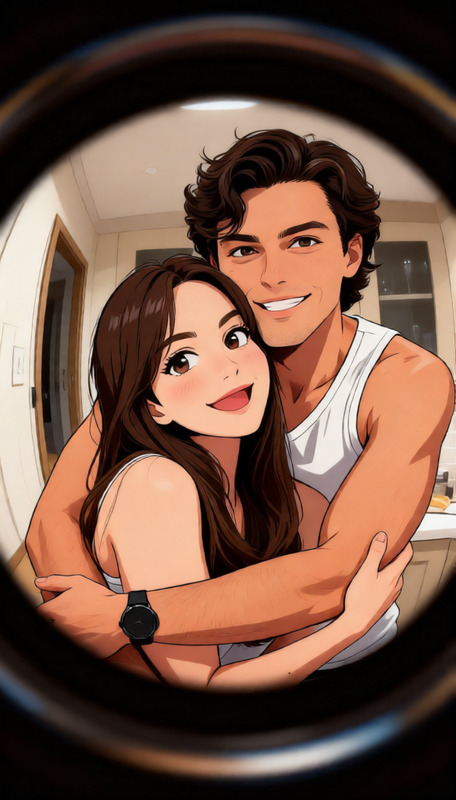
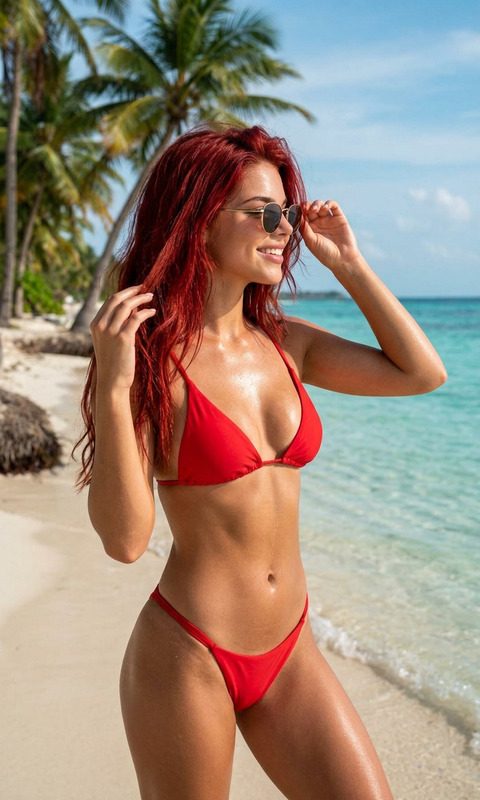
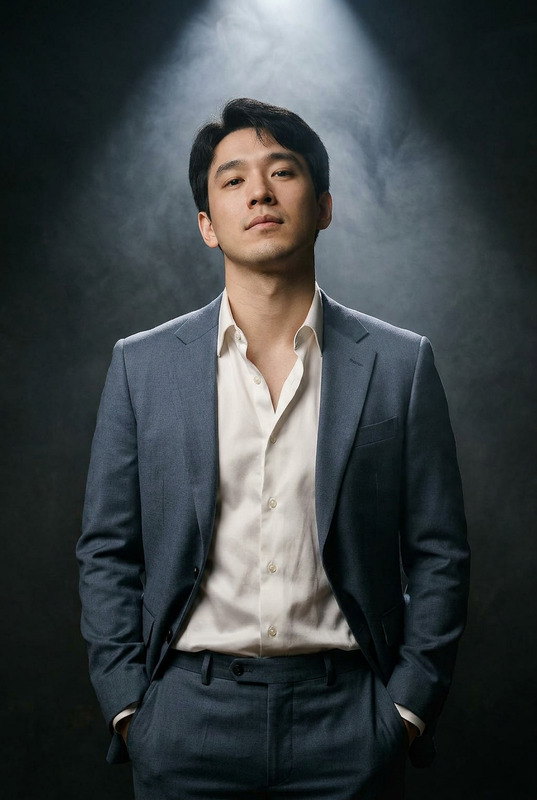
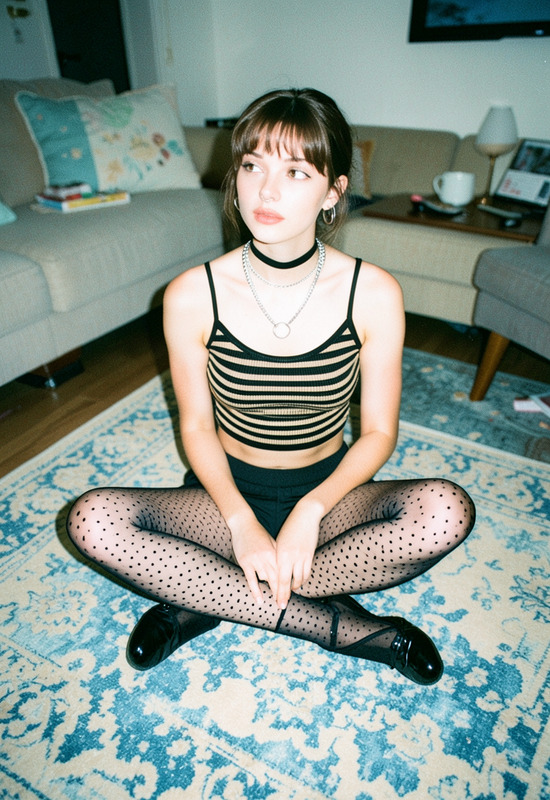
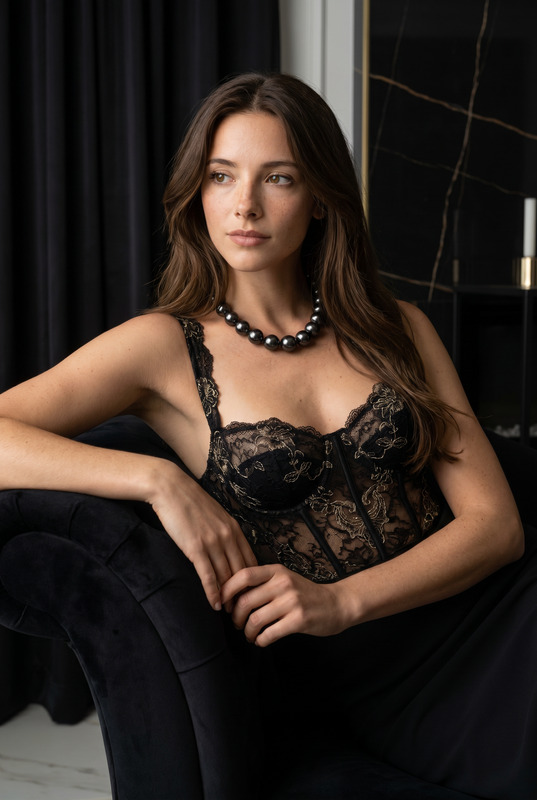
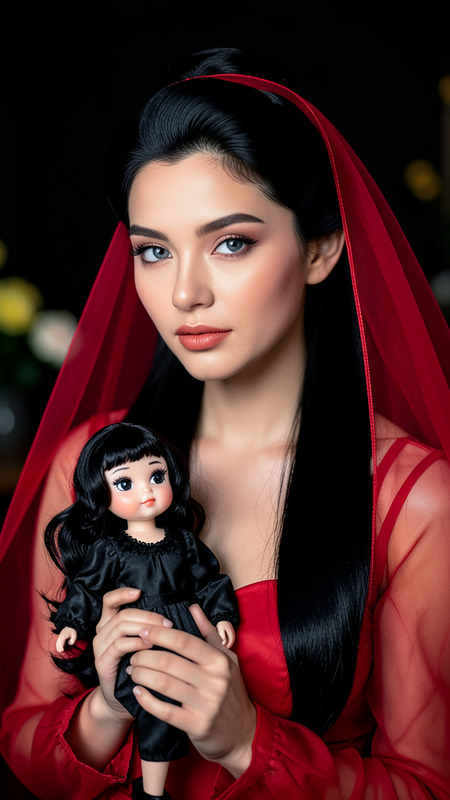
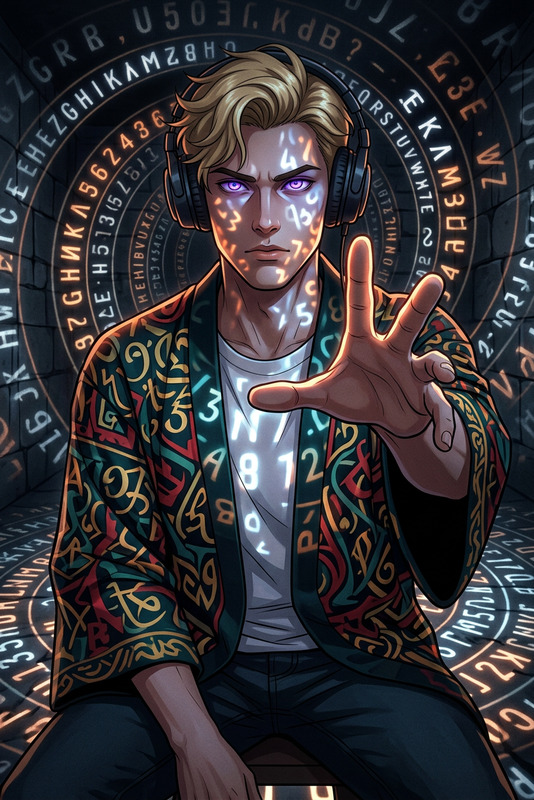
Subject transforms into a custom cinematic title built from the word “[WORD]”, where each letter is uniquely designed to visually express the meaning of the word. Typography becomes expressive and symbolic—shapes, textures, and forms reflect the concept (e.g., sharp for intensity, fluid for calm, fragmented for chaos). Original decorative font style, not based on existing typefaces. Letters feel handcrafted, cinematic, and concept-driven. Background color is carefully chosen to enhance contrast and mood, complementing the word’s meaning. High-detail rendering, dramatic lighting, refined composition, film-title aesthetic, bold and visually striking.

Transform any photo with the Magic Hour AI Image Editor template. This template is built for fast, precise visual edits—ideal for creators, marketers, designers, and founders who need on-brand visuals without a full production workflow.

What this template does

This AI Image Editor–based template lets you:

  • Edit or replace specific parts of an image using text prompts
  • Change backgrounds while keeping the subject consistent
  • Clean up photos by removing unwanted objects or distractions
  • Enhance clarity, lighting, and visual style for social, ads, or product pages
  • Create multiple design variations from one base image

Under the hood, it uses the same engine as the AI Image Editor, combining inpainting, outpainting, and style transfer in a single, browser-based workflow.


How to remix this template in Magic Hour

You can turn this template into your own reusable editing system in a few minutes:

  1. Duplicate the template

    • Click to remix or duplicate the template inside Magic Hour.
    • Rename it with your use case in mind (e.g., “UGC Ad Cleanup,” “Product Hero Generator,” “Brand Illustration Editor”).
  2. Define your input images

  3. Write reusable prompt patterns
    Treat your prompts like mini design systems. For example:

    • “Replace the background with a clean, soft gradient in [brand color], keep the subject sharp and realistic, commercial photography style.”
    • “Turn this scene into a minimal, flat illustration, suitable for a SaaS landing page hero.”
    • “Clean up skin imperfections while preserving texture, natural beauty, and realistic lighting.”

    Keep variables in brackets (e.g., [brand color], [target style]) so you can quickly swap details per project.

  4. Set up common edit types as variants
    Remix your template so you can select between common workflows:

    • Background replacement (studio, lifestyle, seasonal)
    • Object removal and cleanup
    • Style transfer (photo → illustration, realistic → anime, etc.)
    • Color and lighting enhancement for ad-ready images
  5. Chain with other Magic Hour tools (optional)
    Once you’ve edited the core image, you can:

Save the final flow as a new template so your team can reuse it without rebuilding prompts every time.


High‑impact use cases

This AI Image Editor template is especially useful for:

1. Performance marketing & growth

  • Clean and standardize UGC for paid social
  • Generate multiple ad variations from one shoot
  • Produce platform-specific creatives (Instagram, TikTok, LinkedIn, email) quickly
  • Create on-brand visuals for A/B tests with minimal design overhead

You can combine this with:

2. Product, ecommerce & marketplaces

Pair this with:

3. Brand, content & storytelling

Use the AI Image Editor template as the “last-mile” refinement layer after generating raw concepts with AI Art Generator.

4. Founders & product teams

  • Mock up UI on devices, pitch decks, and landing page visuals without a designer
  • Visualize product directions (e.g., turning whiteboard photos into polished diagrams or illustrations)
  • Create personas and user archetypes with the AI Face Generator, then lightly edit them for consistency

Related templates and workflows worth exploring

If this template fits your workflow, these AI-powered flows often pair well with it:

  • Face Swap Video Template – Turn edited portraits into dynamic content:
    Face Swap Video
  • Lip Sync Template – Make edited faces speak your script or audio:
    Lip Sync
  • Video to Video Template – Apply new visual styles to existing videos (e.g., match your edited image look):
    Video to Video
  • Animation Template – Animate your edited characters or illustrations:
    Animation

You can also extend your image edits into richer media:


Tips for better AI image edits

To get consistent, production-ready results from this template:

  1. Be explicit in your prompts
    Include: subject, environment, lighting, style, mood, and intended use.
    Example:
    “Clean product photo on a white background, soft diffused studio lighting, high contrast, suitable for ecommerce listing, no text, no reflections.”

  2. Reference known visual styles
    Describe styles using phrasing like “editorial photography,” “vector flat illustration,” “cinematic lighting,” or “pixel art” to anchor the model.

  3. Use a consistent brand vocabulary
    Reuse core descriptors (e.g., “bold, minimal, high contrast, blue-accent tech brand”) across all variations so your visuals feel cohesive.

  4. Work non-destructively
    Save intermediate variations as separate versions and only commit when you’re sure. This makes it easier to build a library of reusable looks.

  5. Combine with upscaling and restoration for legacy assets
    If you’re modernizing old visuals:


Who this template is for

This AI Image Editor–driven template is designed for:

  • Creators and YouTubers who need thumbnails, channel art, and social assets without a full-time designer
  • Performance marketers and growth teams running continuous creative tests across channels
  • Startup founders and product managers validating ideas and shipping polished visuals quickly
  • Designers and creative leads who want a repeatable system for generating on-brand variations at scale

If you work with visuals and care about speed, consistency, and control, remixing this template into your own “visual engine” inside Magic Hour will pay off quickly.


Next steps

  1. Duplicate this AI Image Editor template inside Magic Hour.
  2. Plug in your own brand language, base images, and prompt patterns.
  3. Save your customized version as a reusable template for your team.
  4. Extend it with related tools like AI Image Generator, Image Background Remover, and AI Image Upscaler.

Once set up, you’ll have a repeatable, AI-powered image editing pipeline that turns raw photos into ready-to-ship assets in minutes.

More Like This