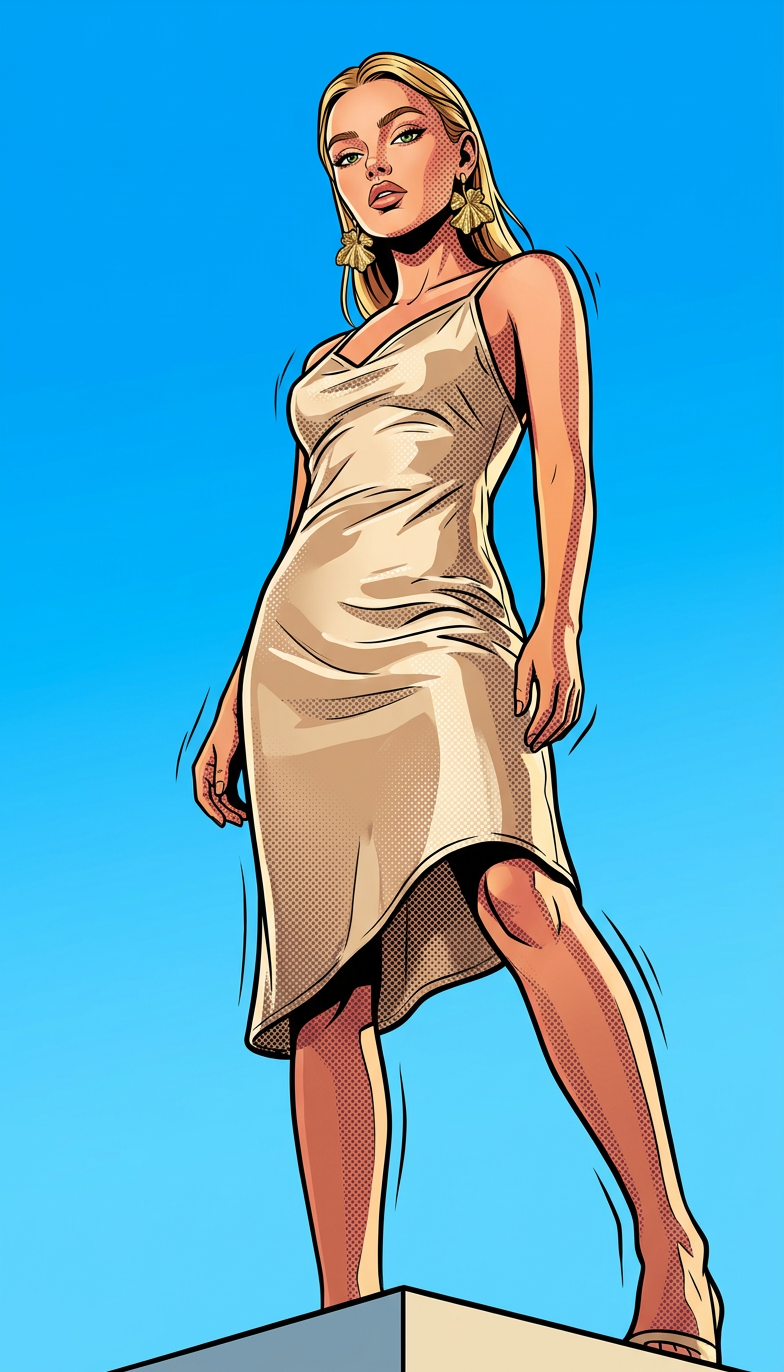
Pop Art Sky Hero

Pop Art Sky Hero

ai-image-editor

1 clip
7 uses

Any aspect ratio

Prompt

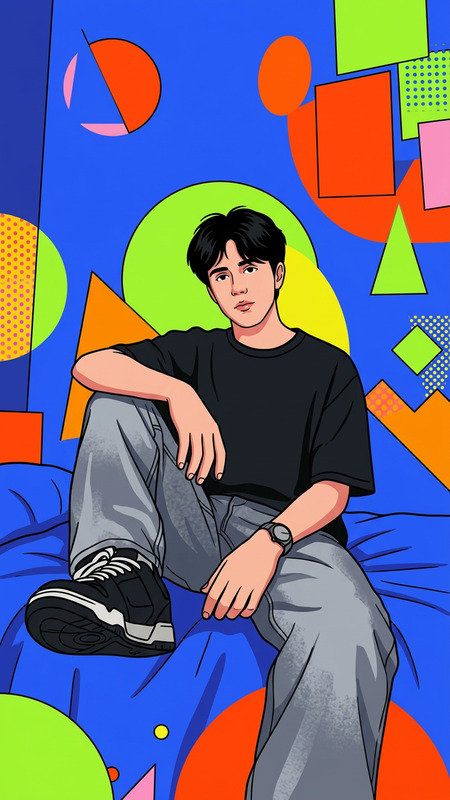
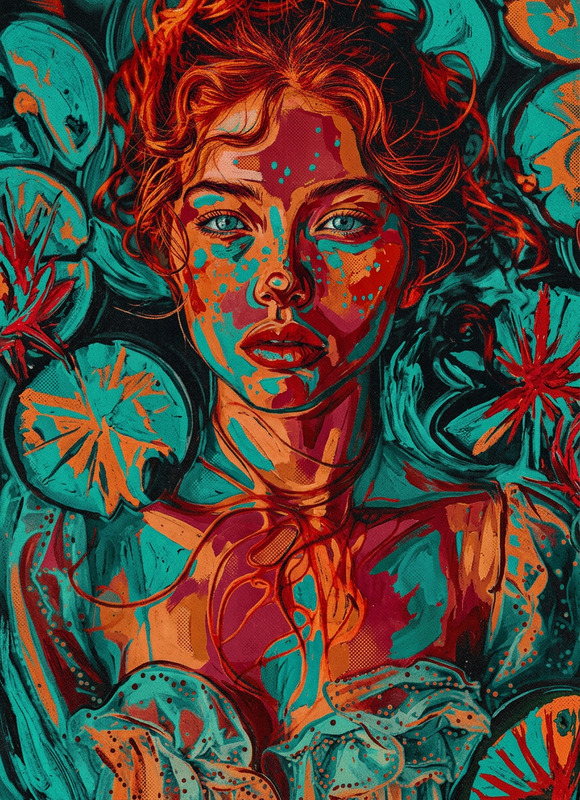
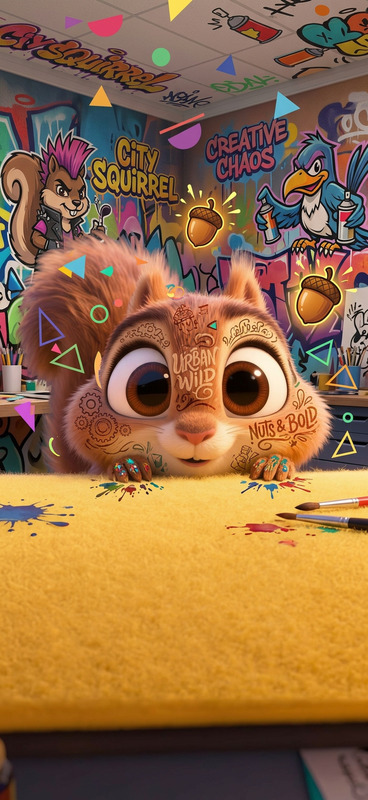
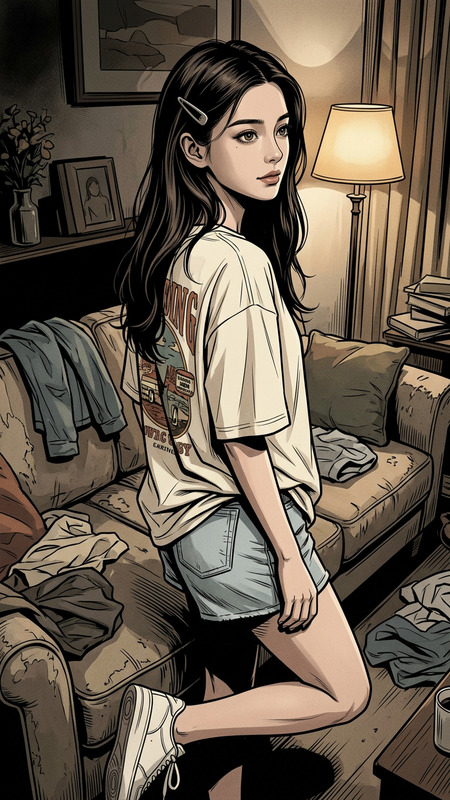
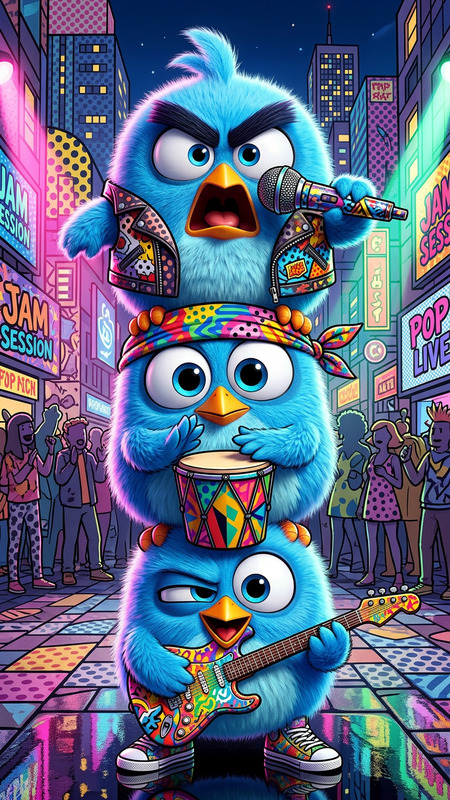
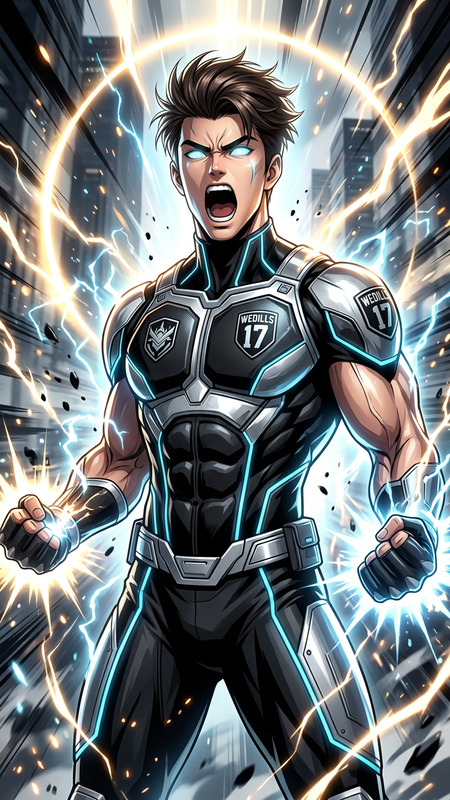
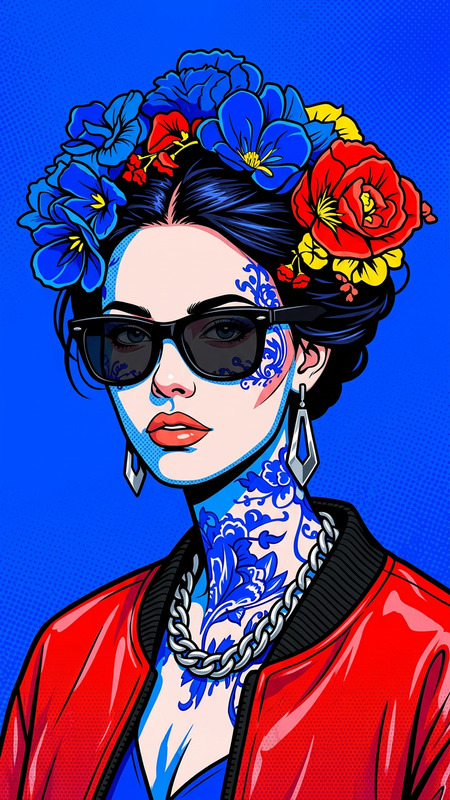
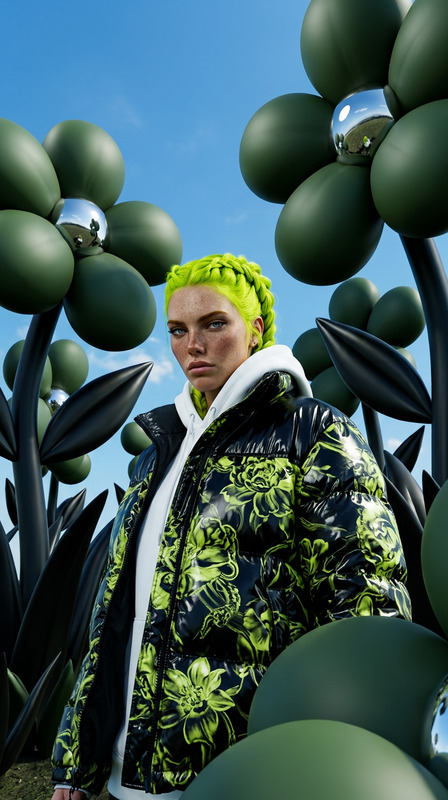
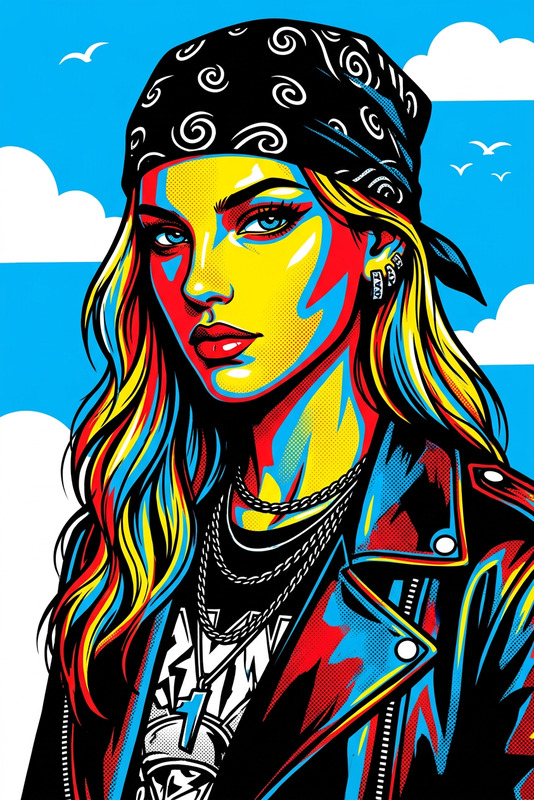
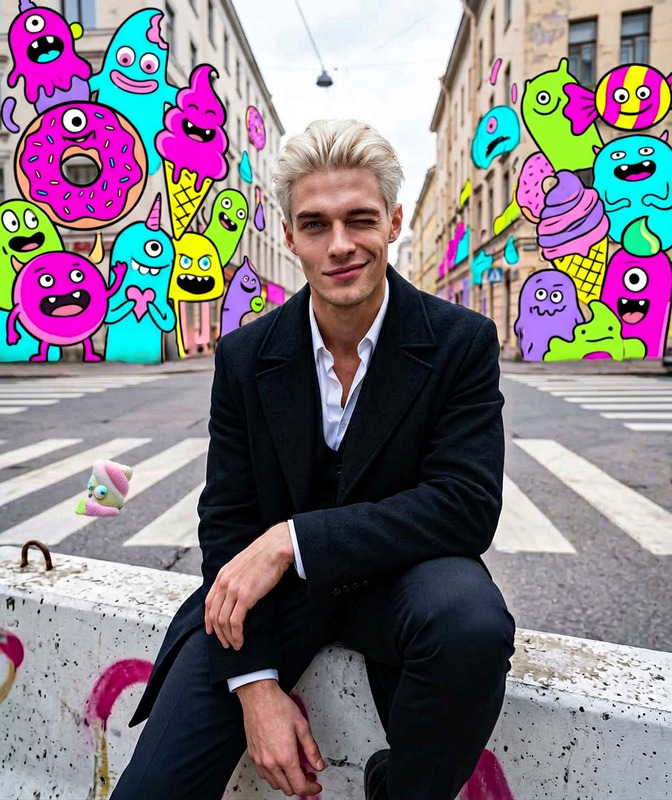
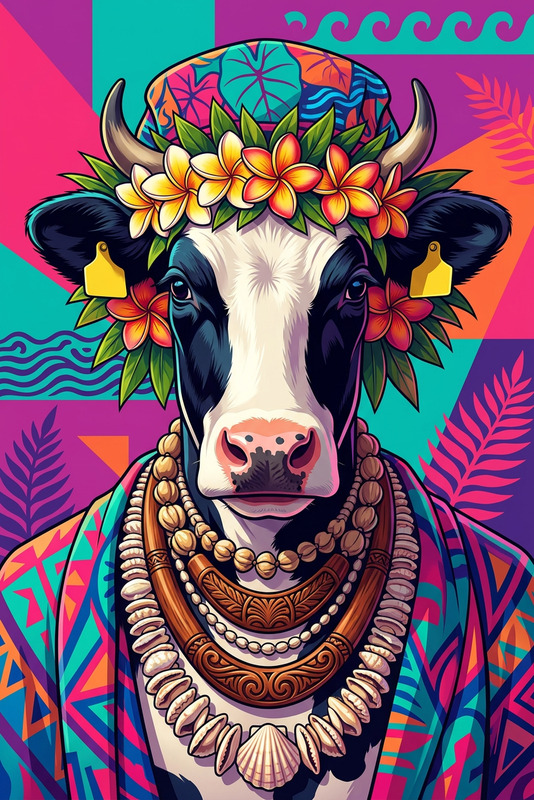
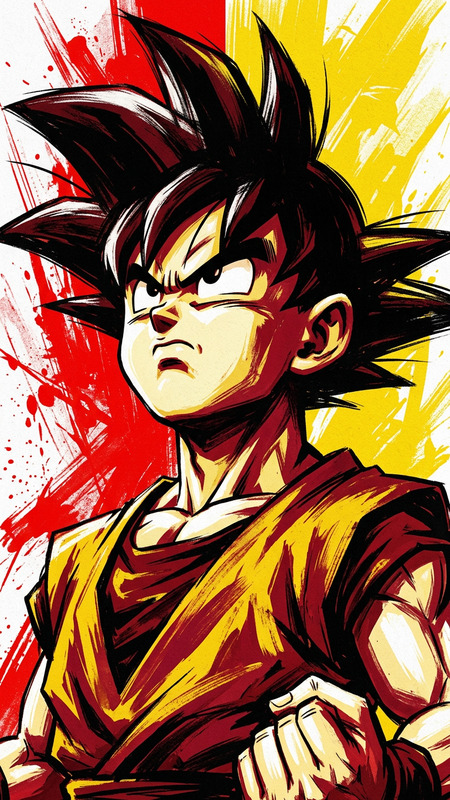
Subject in an extreme low-angle full-body shot (cropped upper thigh), standing confidently with subtle weight shift and one leg slightly bent. Set outdoors under a vast, perfectly clear cerulean blue sky with no clouds, creating a bold graphic backdrop. Stylized in vibrant pop art animation style with bold outlines, halftone textures, and saturated colors. Ultra-wide cinematic perspective exaggerating scale and presence, dynamic comic-book energy, high contrast lighting, clean minimal environment, empowering heroic mood.

Tags

styles

AI Image Editor Template: Smart, Precise Visual Editing in Your Browser

Use this template to turn any image into a polished, on-brand asset using Magic Hour’s AI Image Editor. It’s designed for creators, marketers, founders, and technical teams who need fast, repeatable edits that still look human-made—not generic AI.


What this template is best for

This AI Image Editor–based template is ideal when you need to:

  • Clean up or refine product shots (e-commerce, SaaS UI mockups, marketing visuals)
  • Remove distracting objects or fix backgrounds using tools like the AI Remover and Image Background Remover
  • Generate multiple creative variations of a single asset for A/B tests or campaigns
  • Localize visuals (language, culture, context) without rebuilding from scratch
  • Quickly produce social, ad, or landing-page images that stay on brand
  • Turn rough concepts into production-ready visuals before handing off to design

Because it’s built on top of the AI Image Editor, this template is especially useful when you want fine-grained control over the existing image rather than generating something random from scratch.


How to remix this template in Magic Hour

You can use this template as-is, or treat it as a starting point for your own editing workflow. To create your own version:

  1. Open the AI Image Editor
    Go to the AI Image Editor. Upload the base image you want to work with (product photo, portrait, UI screenshot, illustration, etc.).

  2. Define your “edit intent” clearly
    Before you start, decide what this template should always do. For example:

    • “Clean, minimal e-commerce product photos on white or light neutral backgrounds”
    • “Professional SaaS UI mockups for landing pages”
    • “Natural, flattering portraits that keep identity consistent”
      This clear intent is what makes your remix reusable and predictable.
  3. Apply your core edit operations
    Use the editor to perform the steps you want the template to standardize, such as:

  4. Document your use case “contract”
    In your own version of this template, add short guidance for your team about:

    • What types of input images this template expects (e.g., “single subject, center-framed, reasonable lighting”)
    • What the output should look like (“ready for high-converting product pages”, “LinkedIn-ready headshot”, “app-store-quality icon,” etc.)
    • When not to use the template (e.g., low-res group photos, screenshots with complex overlays)
  5. Save and reuse across your workflow
    Once you’re happy with the behavior, keep using this template as your default entry point for similar tasks. You can chain it with:


Example workflows using this template

1. Performance marketing creatives

  • Start with a clean product or lifestyle shot.
  • Use this template to:
    • Remove clutter, adjust background, and enhance clarity.
    • Generate 3–5 slightly different crops / angles / contexts.
  • Output variations for:
  • Optionally convert winners into short motion spots using Image-to-Video.

2. Founder / team headshots at scale

  • Start from candid photos or basic portraits.
  • Use the template plus:
  • Output: consistent, professional headshots for decks, landing pages, and press kits.

3. Productized design systems

  • Define one or more “brand styles” using AI Art Generator, AI Logo Generator, and AI Icon Generator.
  • Use this AI Image Editor template to apply that style to:
    • Interface mockups
    • Marketing visuals
    • Social campaigns and pitch deck slides
  • This lets non-designers keep assets visually aligned with your design system.

Connecting with other Magic Hour templates

This AI Image Editor template plays well with Magic Hour’s video and animation templates when you want to go beyond static images:


Practical tips for better results

  • Start with the highest quality image you have. If your input is low-res or blurry, run it through the AI Image Upscaler or Unblur Image first.
  • Keep subject structure intact when it matters. For photography, portraits, or product shots, aim to preserve the original composition; use this template to refine, not to entirely reinvent.
  • Be consistent with context. If this template is “for e-commerce,” avoid feeding it images with wildly different styles (e.g., complex illustrations, screenshots) unless you’re explicitly testing an edge case.
  • Chain tools intentionally. Common high-performing chain:

Who uses this kind of template effectively

  • Growth and performance marketers: standardizing ad creatives, landing hero images, social promos.
  • Startup founders and operators: quickly turning rough ideas into investor-ready visuals and pitch collateral.
  • Content creators and YouTubers: thumbnails, channel art, and short-form visuals, often in combination with Thumbnail Maker and AI GIF Generator.
  • Product teams and designers: rapid iteration on UI mockups and marketing visuals, using AI as a “fast first draft” layer over which they can then iterate.

Where to go next

Use this AI Image Editor template as your reusable “editing brain” inside Magic Hour—then keep remixing it as your brand, product, and creative strategies evolve.

More Like This