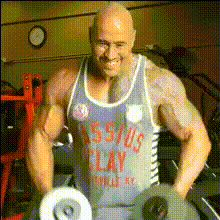
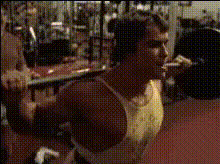
Deadlift

Magic Hour Profile Picture
by Anonymous

face-swap

1 clip
14 uses

Any aspect ratio

Deadlift Face Swap Video Template

Create Deadlift Videos Starring You (or Anyone)

Use this Deadlift Face Swap template to turn a high-quality deadlift demo into a personalized, on‑brand training video in minutes. Powered by Magic Hour’s AI Face Swap, this template lets you swap the lifter’s face with your own, a client’s, or an athlete’s while keeping the original motion, lighting, and technique.

This template is ideal for:

  • Online coaches and trainers creating branded technique videos
  • Fitness apps and startups building scalable content libraries
  • Creators making educational or humorous strength‑training content
  • Marketers producing gym, supplement, or equipment promos

To explore more ready‑made video templates, you can also try:

How to Remix This Template in Magic Hour

You can build your own version of this deadlift template by remixing it inside Magic Hour. A typical workflow:

  1. Start from a Face Swap template
    Go to Face Swap Video and select a template that matches the angle and style of this deadlift demo, or upload your own deadlift footage.
  2. Add your source face
    Upload a clear, front‑facing photo or video of the person you want to appear in the lift (coach, athlete, yourself).
  3. Apply the face swap
    Magic Hour’s AI Face Swap automatically maps the new face onto the lifter, preserving bar path, posture, and timing.
  4. Refine visuals
    If needed, enhance clarity with the Video Upscaler or sharpen key stills using the AI Image Upscaler and AI Image Editor.
  5. Add supporting content
    Create thumbnails with the Thumbnail Maker, social snippets with the AI GIF Generator, or branded graphics using the AI Art Generator.

Once you’ve built a version you like, save it as your own reusable template so your team can generate consistent deadlift videos at scale.

What Is a Deadlift and Why It Matters on Video

The deadlift is a foundational compound lift that trains the posterior chain and core. It heavily involves the glutes, hamstrings, spinal erectors, lats, traps, and grip, and also engages the quads and core for bracing. Because so many muscles are involved and the loads are high, video is one of the most effective ways to coach technique, correct errors, and demonstrate progression.

Coaching organizations like the National Strength and Conditioning Association (NSCA) and the American College of Sports Medicine (ACSM) emphasize deadlift form because it has a strong transfer to everyday movements such as picking up objects from the floor and improving overall strength and power.

Key Deadlift Technique Cues to Highlight in Your Video

When you’re using this template to create technical or educational content, consider emphasizing:

  • Neutral spine – Maintain the natural curve of the lower back; avoid rounding or hyperextension.
  • Hip‑hinge pattern – Push the hips back instead of squatting the weight; the bar should travel close to the body.
  • Bar over mid‑foot – Begin with the bar roughly over the middle of the foot; this supports a vertical bar path and efficient leverage.
  • Bracing – Take a controlled breath and brace the core before initiating the pull to protect the spine.
  • Shoulder position – Shoulders slightly in front of the bar in the start position, lats engaged to keep the bar close.
  • Knee tracking – Knees push slightly out and do not cave in; they extend as the bar passes them.
  • Lockout – Finish by standing tall with hips and knees fully extended, without leaning back excessively.

For more detailed visual breakdowns, you can also generate still coaching diagrams with the AI Image Generator or AI Illustration Generator and overlay them onto your video.

Using Face Swap for Professional Fitness Content

This template relies on Magic Hour’s AI Face Swap technology. Instead of re‑filming the same deadlift angle over and over with different athletes or clients, you can:

  • Localize content – Swap in regional ambassadors or local trainers while reusing the same high‑quality footage.
  • Personalize coaching – Show each client “performing” a textbook deadlift to illustrate ideal form next to their actual lift.
  • Scale branded libraries – Build a consistent library of deadlift, squat, and bench press demos starring your brand’s coaches.
  • Create A/B content – Test different presenters and styles while keeping the movement identical.

For dynamic talking segments—such as explaining cues, warm‑ups, or common mistakes—you can pair this with:

Template Use Cases and Content Ideas

You can remix this Deadlift Face Swap template into different content formats:

  • Step‑by‑step technique breakdowns – Pause and annotate at key positions (start, just off the floor, above the knee, lockout).
  • Beginner vs. advanced tutorials – Use the same footage to create a beginner‑friendly version and a more technical, coach‑level version.
  • Form comparison – Show the “ideal” deadlift (using this template) side‑by‑side with a real client’s lift.
  • Variation guides – Introduce Romanian deadlifts, deficit deadlifts, block pulls, or trap‑bar deadlifts using additional footage and the same face‑swap workflow.
  • Marketing clips – Turn your deadlift footage into short GIFs via the AI GIF Generator or social ads with custom covers from the Album Cover Generator or Thumbnail Maker.

Enhancing Your Deadlift Template with Other Magic Hour Tools

To build a full content system around this template, you can integrate:

Deadlift Lore, History, and Context for Your Script

Adding a bit of history or “lore” can make your deadlift videos more engaging and credible. Some reference points you can use in your scripts:

  • Origins in strongman and physical culture – Early strongmen in the late 19th and early 20th centuries performed floor lifts and “health lifts” that resemble modern deadlifts.
  • Powerlifting staple – In modern powerlifting, the deadlift is one of the three competition lifts (along with the squat and bench press), often saving or deciding meets on the final attempt.
  • Transfer to sport and daily life – Research in strength and conditioning consistently highlights hip hinge strength and posterior chain development as critical for sprinting, jumping, and injury prevention.
  • Variations for different goals – Conventional, sumo, and trap‑bar deadlifts all shift emphasis slightly between quads, glutes, and back, which you can explain visually using different clips inside Magic Hour.

You can support this narrative with visuals generated from the Comic Book Generator, AI Illustration Generator, or even create character‑based “coach avatars” via the AI Character Generator.

Build a Reusable Deadlift Content Engine

This Deadlift Face Swap template is more than a one‑off video: it can be the foundation of a repeatable content system for your brand. By combining:

you can quickly generate dozens or hundreds of consistent, on‑brand deadlift videos for courses, apps, YouTube, Instagram, TikTok, and internal client education—without re‑shooting the same movement repeatedly.

Remix this template in Magic Hour, swap in your own face or talent, and turn one strong deadlift clip into an entire training library.

More Like This